











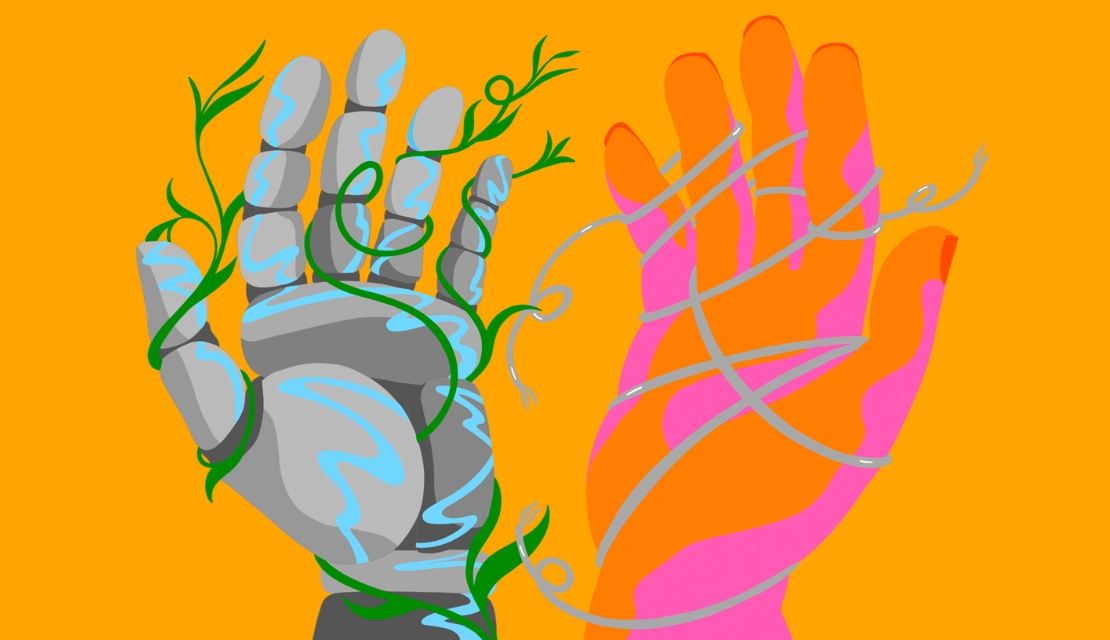

Learning by doing and learning by experiment would be, and eventually will be, a paradigm shift in leadership development.Most businessmen are able to equip themselves with a decently assembled tie. But many shun a bow tie, as it is notoriously difficult to tie. Looking at an illustration in a gentlemen’s handbook, it is easy to get depressed, as the challenge seems insurmountable. But in practice, it is relatively easy and requires only common sense. Perhaps the same applies to management and leadership. Their essence is easier to grasp when applied to a real-life situation. Käsittää, the Finnish word for grasping a piece of information and turning it into knowledge, is revealing, as its root form indicates touching, caressing or probing something by hand. But when it comes to leadership and management, we are conservative and overly cautious. We treat our practices, processes and structures as sacred objects that should not be amended or molded without meticulous scrutiny and due consideration. New products, store layouts and advertising campaigns are tested with little regard to expense. But the cheapest, easiest – and unfortunately rarest – experiments are done within the domain of management. Could this work for us better than the old way? How could this be applied in our organization? Shunning management experiments stems from our over paralyzing fear of embarrassment and bloated interest in saving face. We are scared of being proven wrong, scared of being laughed at. Is it more about laziness than about poor self-esteem? Learning by doing and learning by experiment would be, and eventually will be, a paradigm shift in leadership development. Our traditional way of calculating and estimating the workload by in-class days and hours We know all too well that great effort is required in preparation beforehand and reflection later on. But it is too easy to walk in and wait for the guru to broadcast her views. We need new methods and frameworks for planning and developing executive development programs that make a real difference. Moreover, we need more advanced ways of valuing them and measuring their business impact. Dr Pekka Mattila Contents:Fear explained: It can be scary to share your thoughts and ideas. But it can also make you feel good about yourself. |