









The importance of emotional skills has been a major part of the leadership conversation for years. Emotional skills are seen as a guarantee of a healthy work atmosphere, innovation, and financial performance.
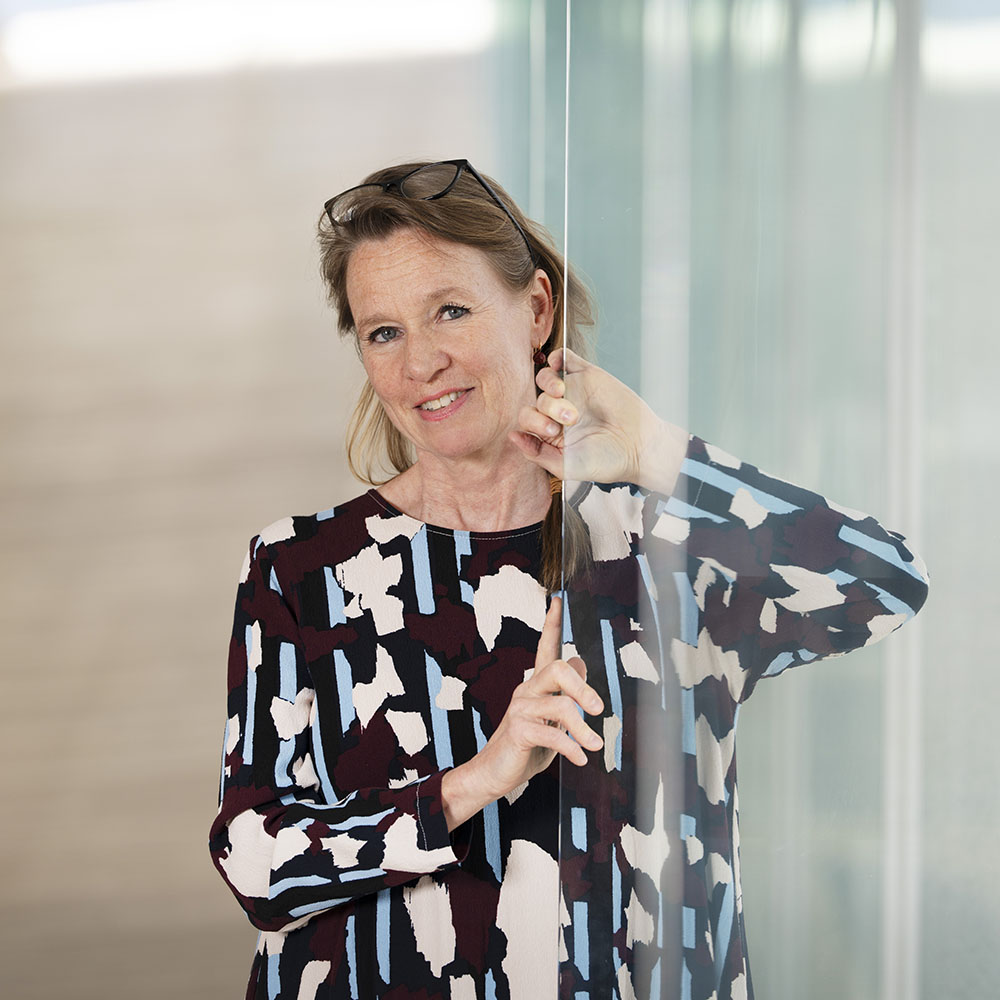
Researcher Pia Lappalainen wants to bring the leadership discussion back to the fundamentals, things such as finances, goals, objectives, and productivity.
Lappalainen is a researcher in areas including performance management and productivity, as well as an experienced executive coach.
"Of course, it is good to take emotions into account, but recent research shows a back-to-basics phenomenon," she says.
As the operating environment has only become more complex since the pandemic, people are looking to leaders for clarity.
"We are seeing the comeback of management."
"Of course, it is good to take emotions into account, but recent research shows a back-to-basics phenomenon."
Leaders still have to handle both management and leadership roles, of course, but according to Lappalainen, management skills have gained renewed value.
The scale and pace of change have increased, uncertainty is the new normal, and the future is blurry. In situations like this, work communities need clarity from their leaders.
"A leader does not need to have incredible charisma. What people expect from a leader is knowledge and insight into what the current situation requires of us and what each person needs to do."
Lappalainen says the situation is especially well-suited to many Finnish leaders. Management is a strength for engineer-style leaders.
"Many of our bosses are not the type to take over the stage and dazzle people. We focus on substance. Some people are downright annoyed if a leader tries to be a showman."
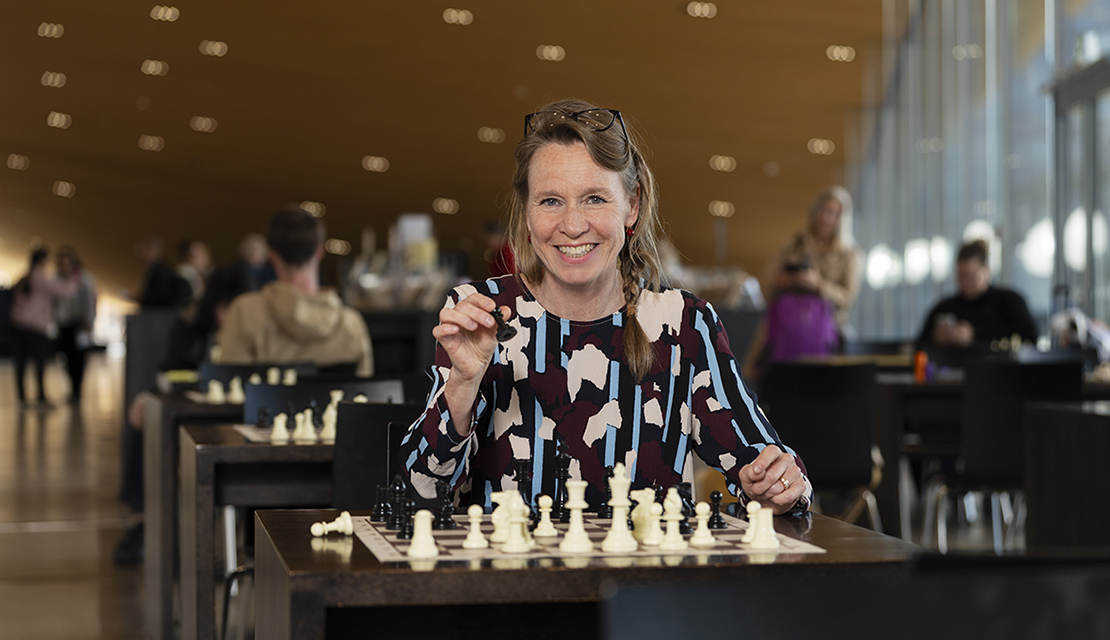 |
| According to Pia Lappalainen, times of uncertainty call for clarity from leaders: "We are seeing the comeback of management." |
The boss does not always have to be nice
Pia Lappalainen is a docent in workplace conflict and holds a doctorate in technology. She works at LUT University and the Finnish National Defense University. She is also a workplace mediator, which means she is called in when there is a conflict in a work community.
Lappalainen was also interviewed for an Aalto EE article in spring 2019. At that time, we discussed emotional intelligence and dialogic leadership.
The transformation of work was already well underway. The fourth revolution of work was described this way: the relationships between work and time, work and place, and work and the employment relationship are changing.
The pandemic sealed the shift and made it part of everyday life.
"People do not want to work on a sinking ship, no matter how dialogic the boss may be."
In 2026, the emphasis is on finances. Times are not only uncertain but also financially difficult. That is part of why finances and productivity are also emphasized in leadership.
"People do not want to work on a sinking ship, no matter how dialogic the boss may be," Lappalainen says.
She sees financial success as something that feeds a sense of safety. This requires the leader to keep the financial framework in view, even when that means exercising the employer's managerial authority and requiring employees to do things that do not please everyone.
"Do not worry so much if people do not like you," Lappalainen encourages leaders.
She remembers a situation from her own career in which her boss transferred her to duties she did not want. Lappalainen had already begun planning to resign, but the situation turned into an empowering experience. It went roughly like this: the boss pushed the decision through, and the employee protested—until she realized she had learned a great deal and found a new direction in her working life.
Psychological safety is not just about feeling good
Recently, research by Pia Lappalainen and her colleagues revealed what she calls "almost shocking" information about workforce productivity. It showed that psychological safety does not correlate with productivity at the individual, team, or organizational level.
Lappalainen says she also combed through other recent studies on the topic. She wanted to check whether others had arrived at similar conclusions.
"It is worth stating with brutal honesty that this surprising finding is visible elsewhere as well."
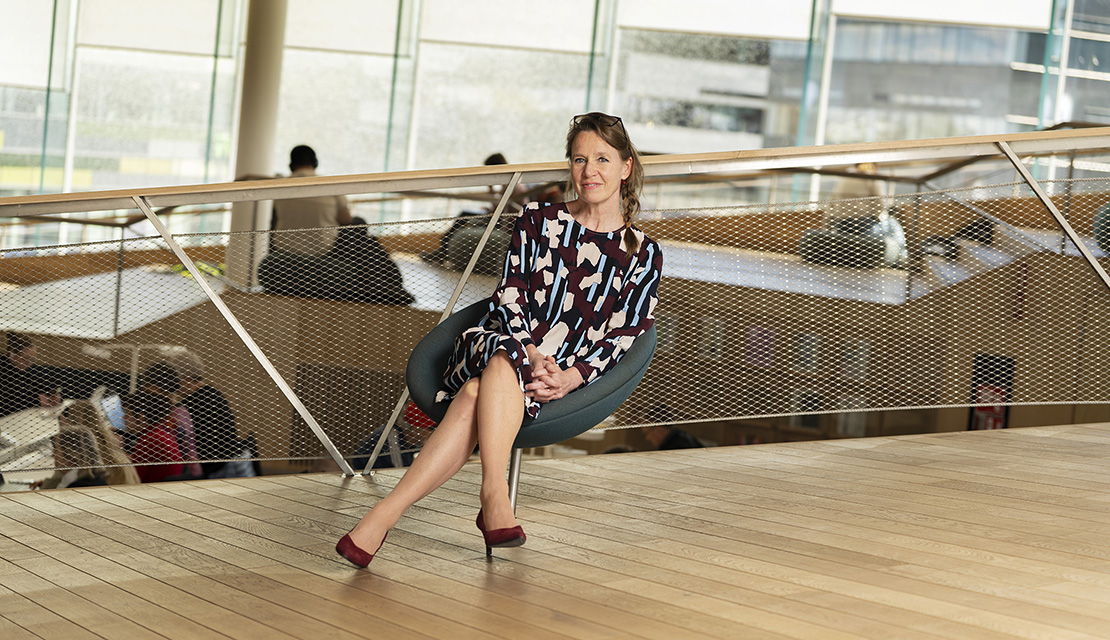 |
| Pia Lappalainen was nervous about publishing a study showing that psychological safety does not correlate with productivity at the individual, team, or organizational level. "The finding was so surprising that I wondered how it would be received." |
Lappalainen says the research result was "eye-opening". However, it has not made her think that psychological safety, or "psych safety" as she calls it, is unnecessary in workplaces.
It simply has to be defined carefully. For example, psychological safety does not mean that people cannot be challenged or that the goal must always be for everyone to feel good. Nor does it mean that workplace matters should be decided democratically so that no one's sense of safety is disturbed.
Taking emotions into account does not mean wallowing in feelings. Work is for working.
Lappalainen has noticed that many people who are facing health or personal-life challenges may want to forget their emotions and other worries for a while when they are at work.
"Work can be an anchor that keeps life in balance. You do not always have to churn over and over your own feelings."
Firm justification is more important than empathy
Has Pia Lappalainen changed her mind about the most effective leadership style? Can we now forget emotions and dialogic leadership, which she has advocated in the past?
"I still support dialogic leadership, but a stronger idea has entered the picture: it is good for bosses to teach their teams that, as the employer's representative, I am obligated to make the final decision, even if it is not necessarily the decision the majority prefers."
"According to research, firm justification predicts leadership success more effectively than empathy or inspiration."
Dialogic leadership means the opposite of issuing orders. In it, employees dare to give feedback to their boss, and the boss understands the employee's situation and genuinely wants to hear from them.
For example, in workplace bullying cases, the statistically most common root cause is poor communication.
"Serving or coaching will not get you far if nonexistent or unclear communication leaves room for interpretation," Lappalainen has said.
"According to research, firm justification predicts leadership success more effectively than empathy or inspiration."
Remote work does not reduce productivity
Emotions play a major role in workplaces, and that should be taken into account.
"But there is no need to shy away from a firmer style."
Lappalainen is surprised that remote work is still discussed so much and so emotionally. Employers are, of course, entitled to determine the remote work policy for each workplace. The best possible model may differ from one workplace to another.
The findings of Lappalainen's research group are clear.
"We have studied productivity, well-being at work, and social relationships in workplaces. Nothing indicates that remote work is a bad thing. It simply has to be managed well."