








There is now an urgent need for effective continuing education in Ukraine. The prolonged war with Russia has not only destroyed cities, infrastructure, and lives, but also interrupted the studies and careers of many Ukrainians who were called to the front. In addition, Ukrainian engineers require up-to-date technological knowledge—not only for the needs of the ongoing war but also for the post-war reconstruction.
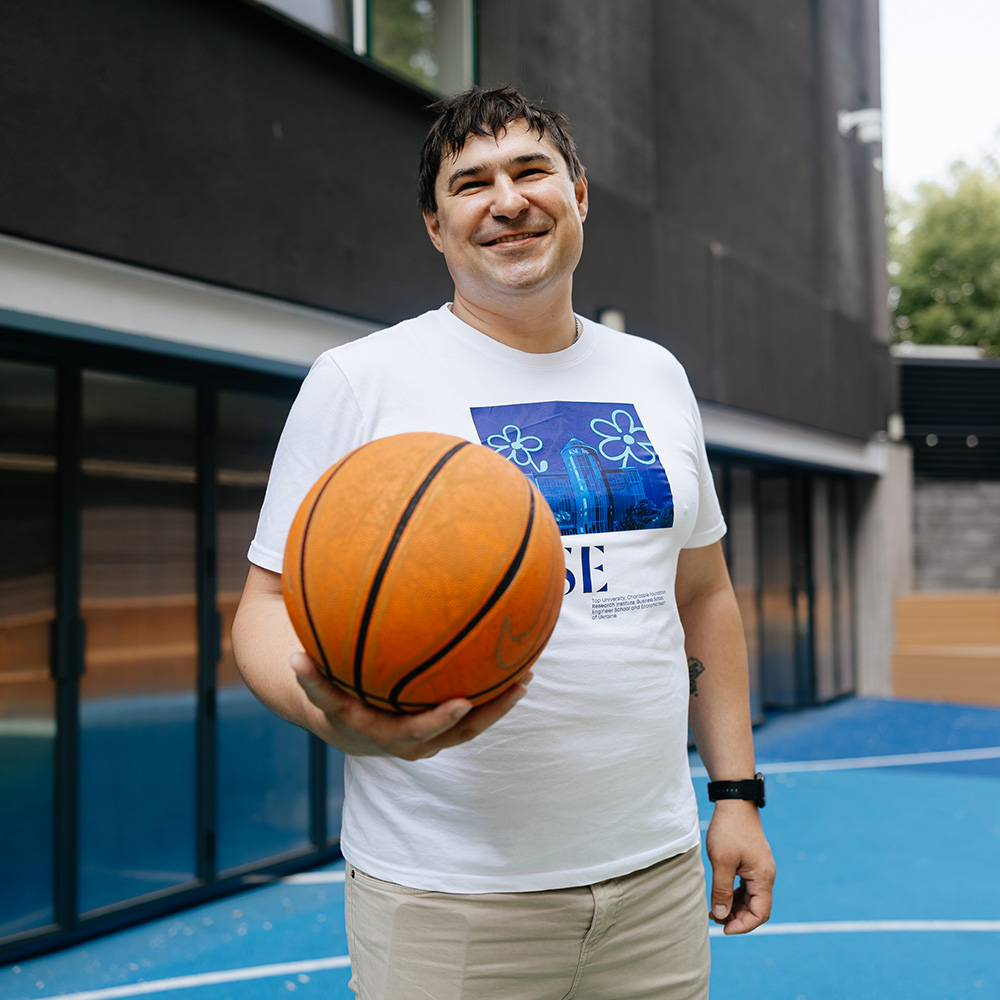
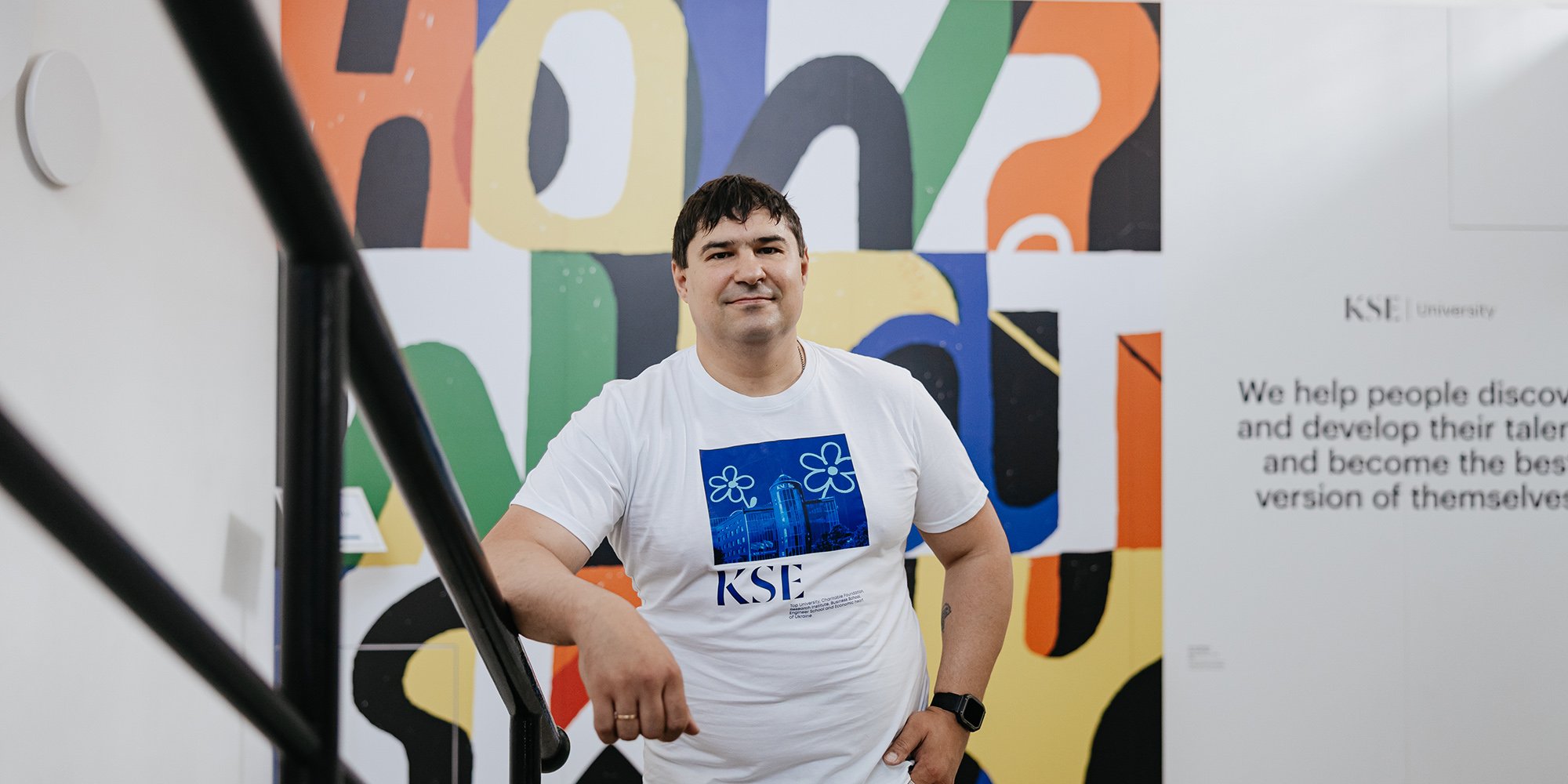
“There has been a vast migration of both people and businesses in Ukraine. People who have had to leave their homes and professions need to reskill. Micro-credentials are a very practical tool for this retraining. It’s possible to acquire essential new competencies in just two or three months,” says Ukrainian researcher Kostyantyn Kyrychenko.
“When veterans return from the front, they will need these re-skilling programs and new professional pathways.”
|
|
|
”We are very optimistic and hopeful—otherwise we couldn’t remain resilient,” Kyrychenko says. |
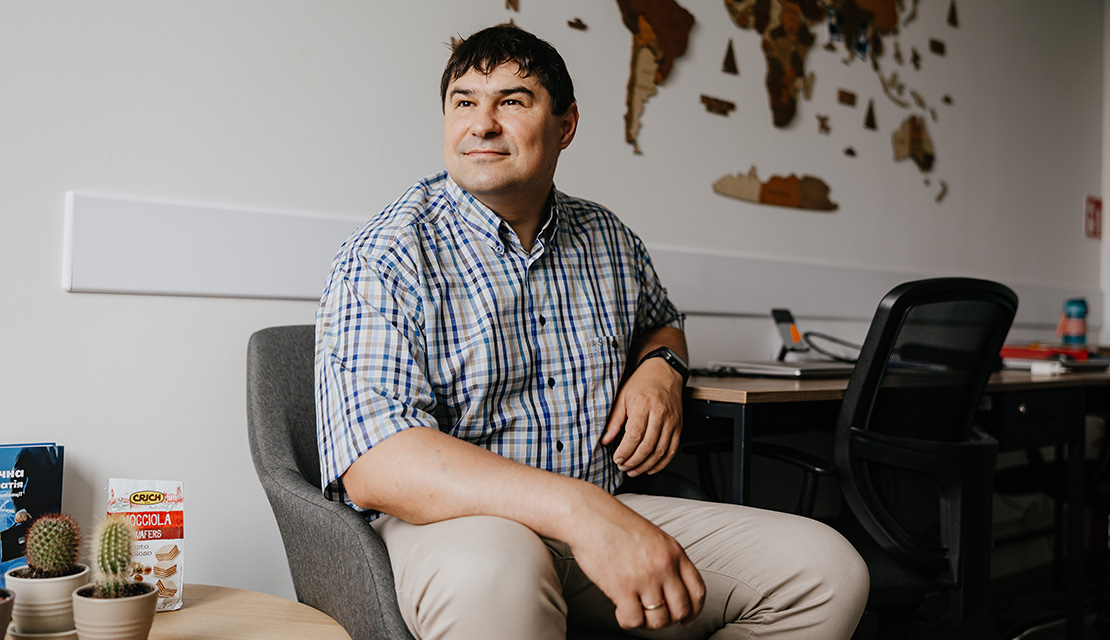
Kostyantyn Kyrychenko first became acquainted with Aalto University and colleagues in Finland already over ten years ago. Now, the connection has deepened as Kyrychenko, in his current role as Vice Rector for International Cooperation at the Kyiv School of Economics, develops micro-credential programs—aimed at, e.g., engineers seeking continuing education—in collaboration with Aalto EE.
Micro-credentials are compact, targeted study modules focused on specific skills, offering a more efficient way to update expertise than full degree programs.
“Aalto EE has expertise in developing micro-credentials. We are identifying best practices and applying those lessons in Ukraine,” Kyrychenko explains.
Development is particularly rapid in technology sectors that are essential for the defense industry, but that also serve peacetime needs.
The Kyiv School of Economics is also seeking Aalto University’s expertise in collaborating with startups and the investor ecosystem.
“Investors are not very eager to invest in a country at war. That’s a challenge. But once the time for reconstruction comes, Ukraine will be a highly attractive investment destination, and even now, it offers fertile ground for new innovations and technological development,” Kyrychenko says.
Currently, development is particularly rapid in technology sectors that are essential for the defense industry, but that also serve peacetime needs. Kyrychenko cites examples such as drone technology and power electronics for energy transmission.
“Aalto University has developed courses that combine innovation thinking with business needs. Some best practices can be used directly, while others will need to be tailored to the Ukrainian context.”
However, effective cooperation with the business and investment sectors is crucial for academic innovations to thrive.
“We need to improve how we communicate with potential investors and how we collaborate with them. We must learn how to package ideas and projects. Aalto University certainly has a lot to offer us in this area,” Kyrychenko believes.
The war has also challenged the role of universities in society—or provided them with new missions.
“Many stakeholders are now turning to universities—veterans, government leaders, businesses. Universities are unique institutions because they combine knowledge with highly practical innovation. This kind of research expertise is especially needed during wartime: all strategic planning and forecasting must be based on data and analytics,” Kyrychenko emphasizes.
“Universities are unique institutions because they combine knowledge with highly practical innovation. This kind of research expertise is especially needed during wartime: all strategic planning and forecasting must be based on data and analytics.”
In addition to engineers, competence updates are also needed in other academic sectors. At the Kyiv School of Economics, for example, preparations for deepening European integration include training lawyers in international law.
“As soon as the war ends, we must be ready to take a major leap in Ukraine’s development. At that point, we need to know how to utilize the latest technological advancements—and how to develop technology ourselves, including AI, to serve the needs of reconstruction.”
“Of course, we are very optimistic and hopeful—otherwise we couldn’t remain resilient.”