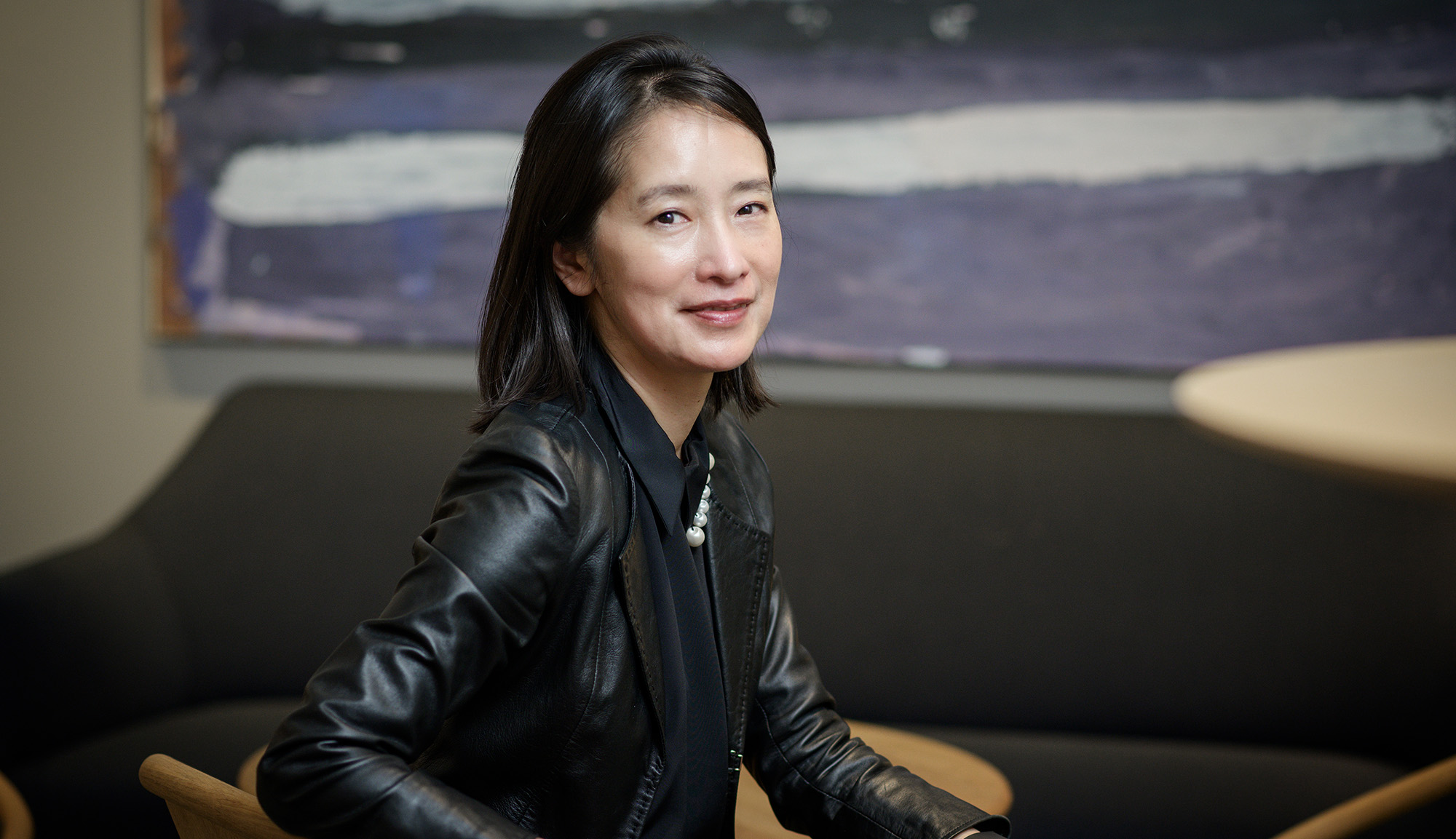








When Emiko Kawabata reached university age, she chose differently from many of her peers. She didn’t long to study abroad and didn’t even want to take part in exchange programs.
The reason for this is her international childhood. Due to her father’s work, Kawabata had lived for years in both Germany and France. She had already seen the world and studied in international schools. She also spoke four different languages.
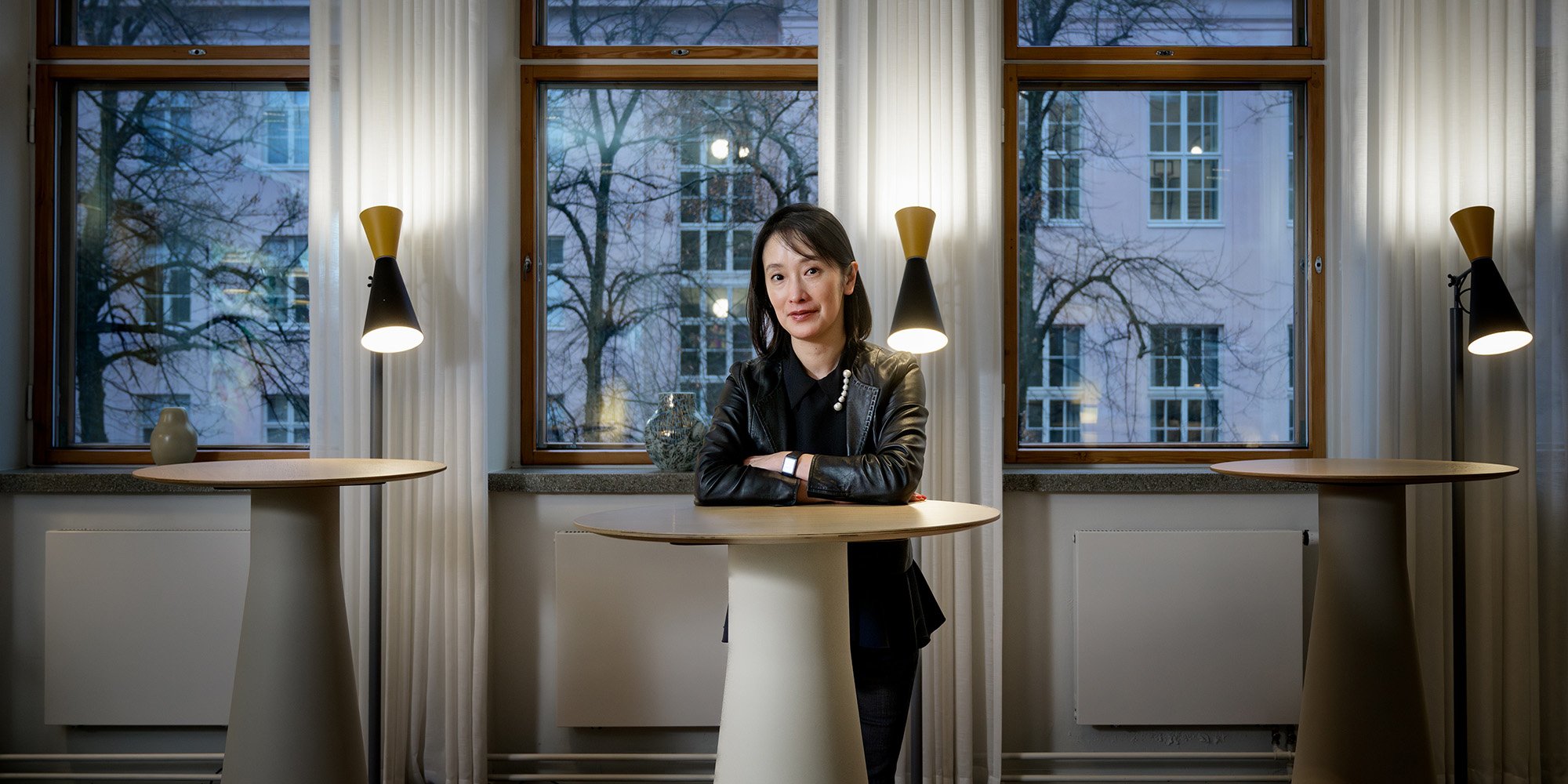
“In Europe, I became truly Japanese. I admired my home country and wanted to study and work specifically in Tokyo,” Kawabata recalls now at Aalto University Töölö, Helsinki.
Immediately after her studies in 1999, she started working in national media at Tokyo Broadcasting System as a TV journalist, producer, and presenter.
“At that time, it never occurred to me that I would have applied to become a journalist for English-language channels, for example. Those audiences didn’t matter. I wanted to do journalism in Japanese, drawing on my international background. And that’s how I ended up in my dream job.”
Over the years, she progressed to the position of award-winning editor-in-chief of a news program. However, working as a journalist was demanding night shifts, long days, and being constantly on call. The late evening shift could end at one in the morning, and the children had to be woken up for school at 6.30 in the morning.
With digitalization, the pace only seemed to accelerate, as in the media all over the world.
“I realized that such a lifestyle was no longer sustainable,” Emiko Kawabata says.
She became fascinated by change and the desire to influence the structures of working life.
"In order to influence the structures of an organization, you need to study the language of management and business."
After a career of more than 20 years, it was time for Emiko Kawabata to do what many people already do while at university: move abroad to study. In addition to aspiring to advance in her career and develop her work community, she also wanted to nurture her own well-being and gain a new perspective on the world beyond the newsroom.
Another factor was her wish to give her younger child the experience of an international childhood. This is how the idea of pursuing an international Executive MBA began to take root.

Why Finland and Aalto EMBA?
So why did Emiko Kawabata choose Finland and the Aalto Executive MBA program?
There are several reasons for this. Finnish equality and work-life balance were the first attraction factors. Emiko had also heard about Finland from an entrepreneur friend who participated in a 90 Day Finn program in Helsinki.
The energy of the entrepreneurial ecosystem inspired her, but Kawabata concluded that her approach to creating value for her employer would be through re-training.
At first, she considered doing a master's degree studies at Aalto University, but instead of a basic degree, the Aalto Executive MBA program seemed the most suitable option for a seasoned professional.
“I compared programs in different countries. The Aalto EMBA program felt authentic and less marketing-driven compared to, say, many American schools.”
Equally important was her wish to move with her 14-year-old daughter to a safe country and city where her daughter could move freely and become independent. Finnish society seemed straightforward and uncomplicated.
"In Finland, people trust each other, and it is easy to do business with a landlord, for example."
The choice was spot on.
The international school in the heart of Helsinki has been a pleasant experience for her daughter, and Emiko Kawabata has enjoyed her studies as well as the opportunity to develop and challenge herself.
"Finland consistently ranks among the top countries in startups per capita, and I now see how deeply this is connected to its low-hierarchy culture."
The most challenging part of her EMBA studies, she felt, was the stdy modules related to accounting. To her complete surprise, she received help from AI programs recommended by her fellow students. This turned out to be a pivotal moment in her studies and Kawabata’s first encounter with artificial intelligence. It impressed her.
This experience also helped her understand why the Nordic entrepreneurial ecosystem is so vibrant and globally competitive.
"Finland consistently ranks among the top countries in startups per capita, and I now see how deeply this is connected to its low-hierarchy culture. In organizations where people feel equal, respected, and psychologically safe, it is natural to ask questions, share ideas, and experiment without fear."
"Coming from a traditionally hierarchical organization, this was genuinely eye-opening. In my previous roles, especially as an editor-in-chief, I was expected to give guidance rather than seek it, and there were few opportunities to openly admit uncertainty or ask for help. Being at the top of a hierarchy comes with intense pressure and constant expectations, and precisely because of that, I felt a strong need to step out of my role and return to learning with humility."
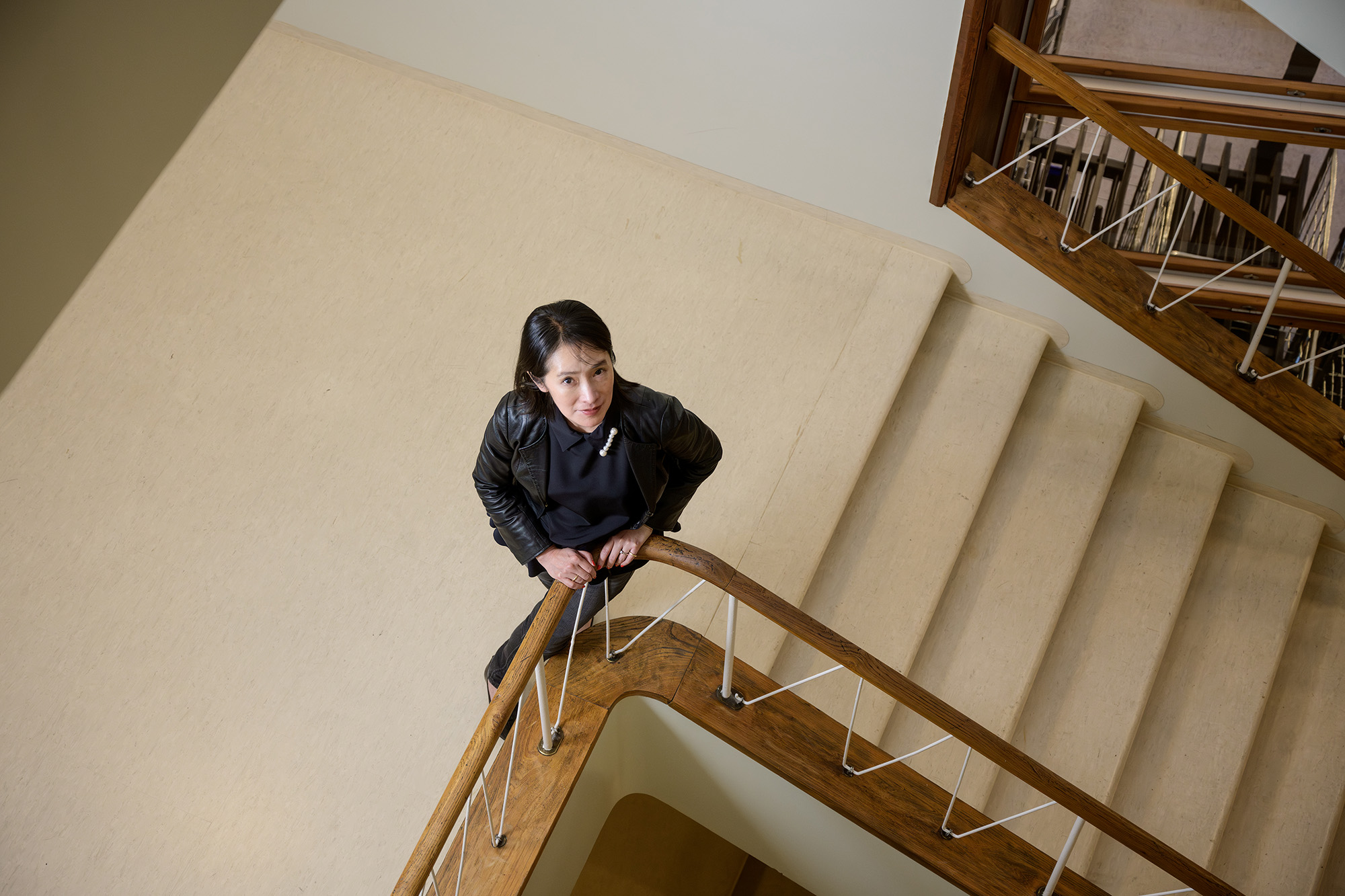
Business Strategy Project will be finalized in Japan
Emiko Kawabata and her daughter lived in Finland for a total of one year and four months. The time flew by quickly. Her family visited Helsinki during that time and became fond of the country. While in Finland, the family rented a cottage, enjoyed the sauna, and swam in a lake.
Before moving to Finland, Kawabata was already into downhill skiing, but in Finland she also discovered cross-country skiing together with other parents from her daughter’s international school.
At the turn of the year, however, it was time to return to Japan.
“My younger daughter enjoyed the country so much that she didn’t want to go back home at all,” Emiko Kawabata laughs.
Compared to Japan’s strict school culture, the experience of being able to decide on her own clothing and move around the city independently has been significant for the young person.
Although Emiko Kawabata has already returned to Japan, her studies are still ongoing. She still has her final project, the Business Strategy Project, which she is completing for the Finnish forest industry company UPM from Japan. The project focuses on customer centricity, and although the industry is different, Kawabata believes that its theoretical framework will later be useful in her own field of media as well.
"My younger daughter enjoyed the country so much that she didn’t want to go back home at all."
As things stand, Kawabata is expected to graduate from the EMBA program next December, and that will likely be the next time she visits Finland.
Although most Japanese organizations don’t offer job alternation leave or the option to take sabbaticals, Emiko Kawabata was able to negotiate an agreement with her employer. In recent years, her employer has made it possible to take time off, for example, due to a spouse's job abroad. Nowadays, this leave can also be used for further studies and professional development, which is exactly what Kawabata did.
“My employer has known me for over 20 years and gave strong support for this,” she says.
After a gap year, she will return to the TBS in spring 2026. She plans to apply the insights gained from her studies to change management within the organization. Her focus will be on ESG management and organizational transformation.
"My aspiration is to act as a bridge connecting people on the ground who are creating high-quality content, including in the newsroom, with management, strategy, and long-term transformation initiatives. I see this bridging role, across functions and hierarchies, as central to how I can add value upon returning to TBS."
“I also want to promote diversity and the position of women in leadership roles in Japan.”
Thanks to her long career and further education, she sees herself as a change-maker, not only in the newsroom, but across the entire organization."