









-
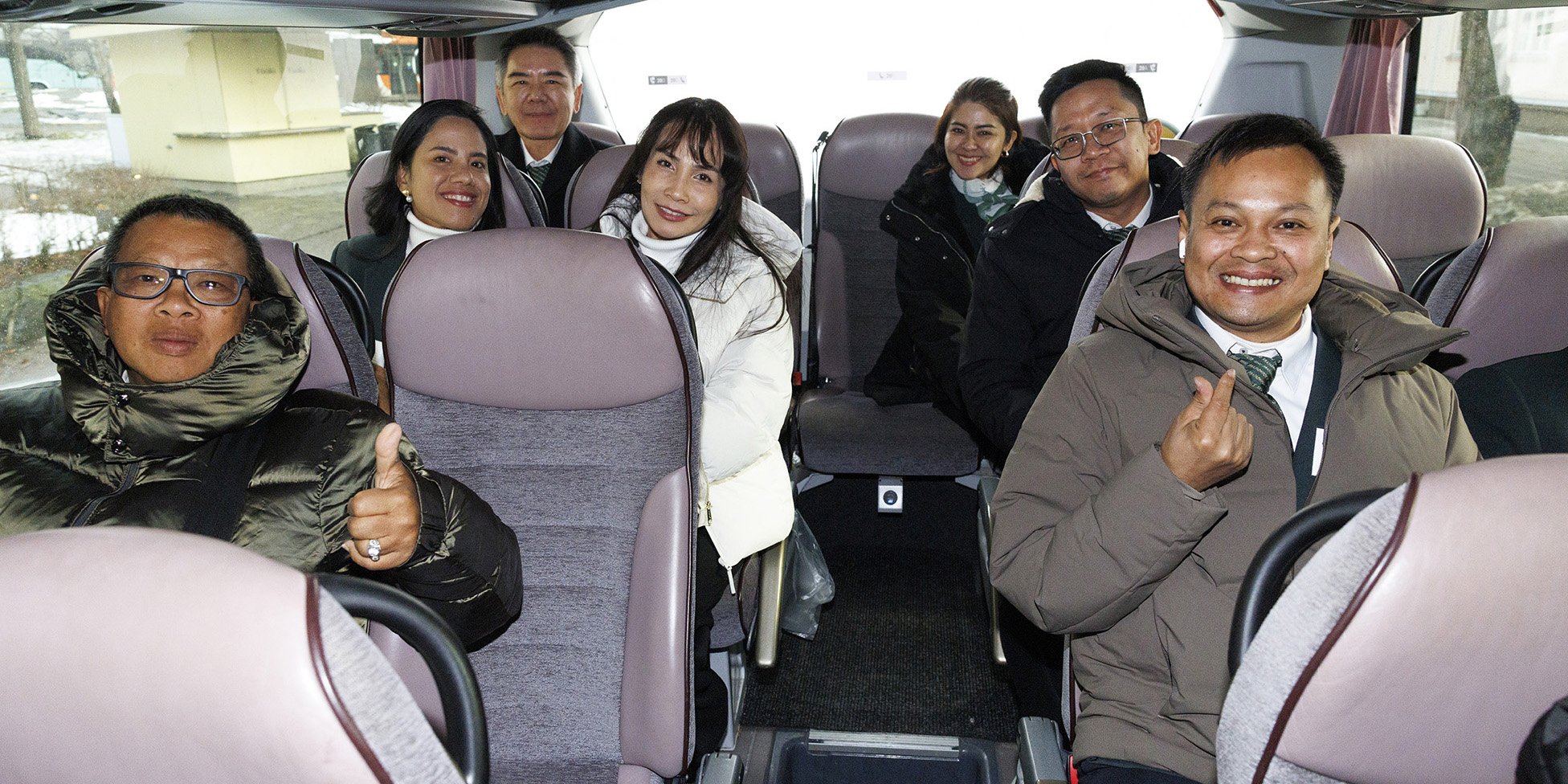
Aalto EE’s Study Tours offer immersive learning experiences for executives and professionals from around the world.
A group of Thai local and regional civil servants and company leaders walks down Väinölänkatu in the Käpylä district of Helsinki. On one side of the street stand the wooden houses of Puu-Käpylä, built in the 1920s, and on the other side the white apartment blocks of the Olympic Village, constructed in the 1950s. The tour is led by Tommy Lindgren, Lecturer at Aalto University’s Department of Architecture, who intentionally chose this particular street to showcase construction in Helsinki.
From Käpylä, the group continues to Pihlajamäki, which represents Finnish 1960s modernist architecture at its purest. The city tour in Helsinki ends via Viikinmäki at one of the city’s newest residential areas, Kalasatama. The wrap-up of the day is done in Helsinki Central Library, Oodi. Thai visitors are intrigued by many everyday details along the way, such as the studded winter tires on cars parked along the street or the modern ashtrays attached to the lamp posts in Kalasatama.
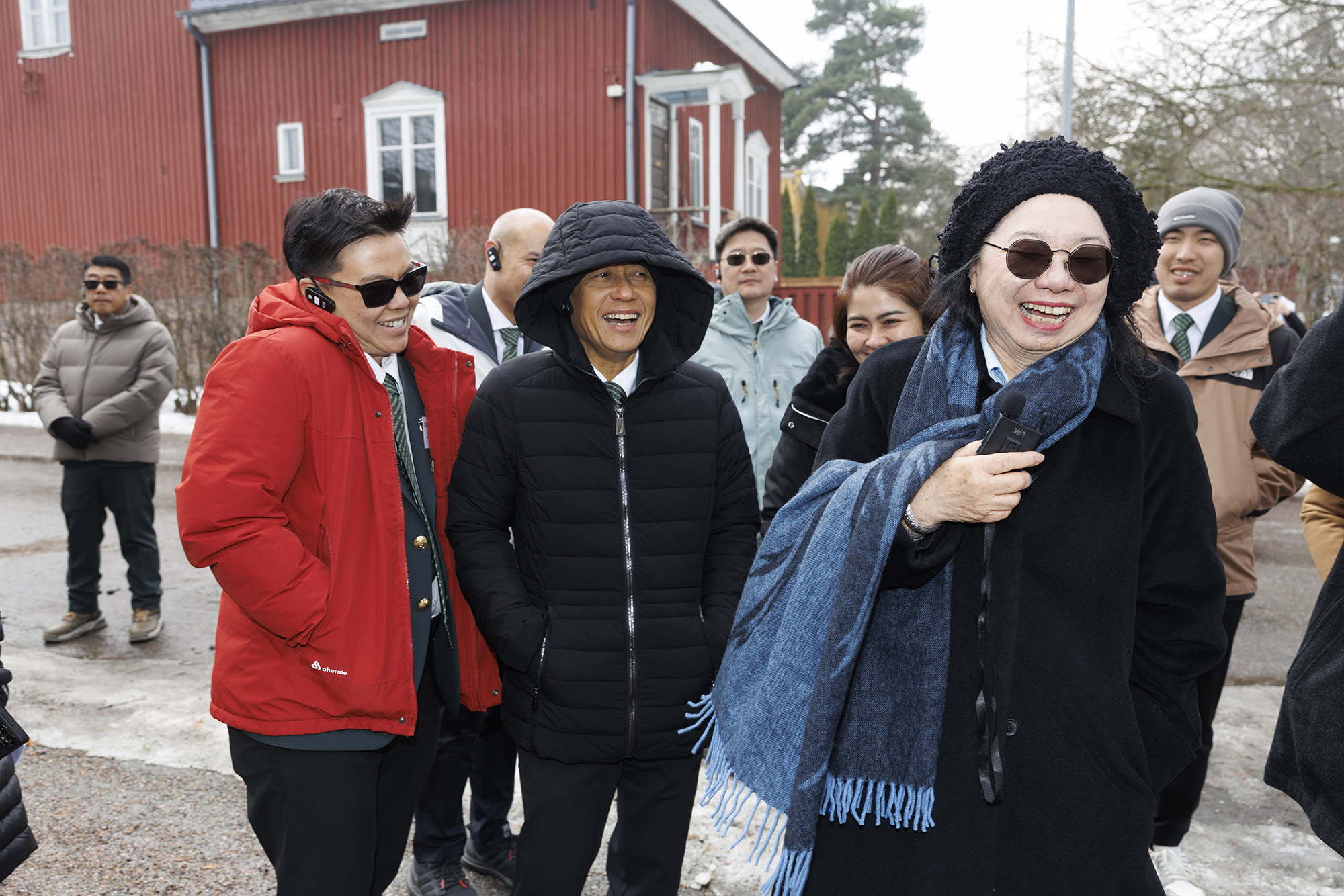
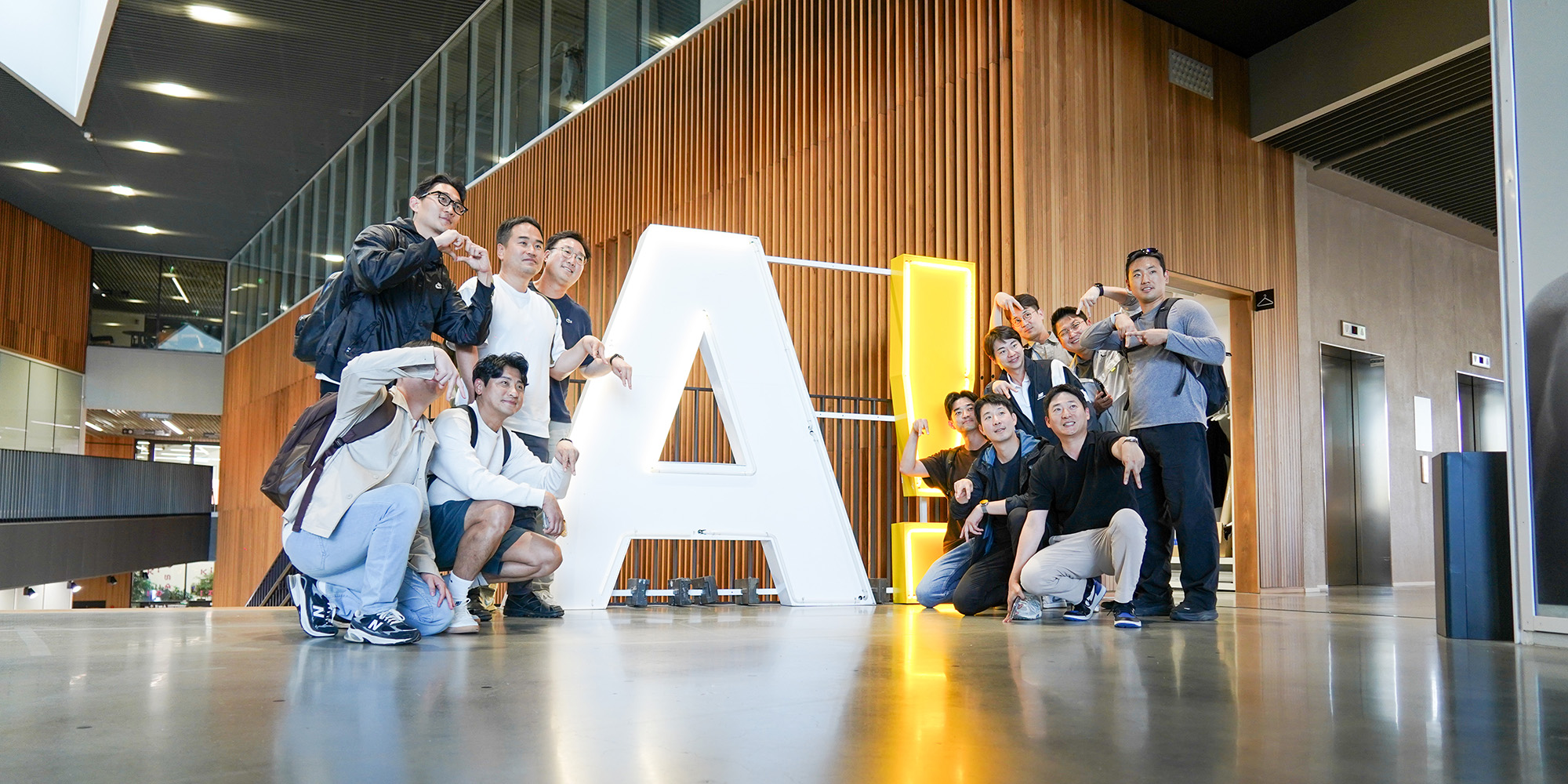
The tour of Helsinki’s residential areas is part of the King Prajadhipok’s Institute’s Study Tour. The participants are Thai experts and leaders in urban development who have come to Finland for a study visit. Over three days, they delve into the principles of sustainable urban planning, explore solutions for smart cities and sustainable infrastructure, and gain deeper insight into citizen well-being and strategic leadership.
“Urban development cannot be learned from books alone, it is essential to see and experience how cities are developed elsewhere. To understand what good ideas have been invented and put into practice,” says Timo Heikkinen from Aalto EE. He is responsible for the Study Tour program.
Study Tours have also been a key part of Aalto EE’s expertise program for urban planning YTK:n Pitkä kurssi since 1969, with European cities in particular serving as a destinations.
“Thailand is urbanizing as well, and it is an honour for us that people travel from the other side of the world to see how cities are developed here. The Nordic countries have a good reputation for creating functional and egalitarian cities. The fact that our cities are also relatively young and small may be intriguing for growing economies that are building new cities,” Heikkinen reflects.
During the three-day program, the visitors are lectured by Lindgren and, among others, Professor Marketta Kyttä from Department of Built Environment in Aalto University and Professor Ralf-Martin Soe from Tallinn University of Technology (TalTech).
“Estonia has a strong reputation as a pioneer in digitalization. That’s why it’s beneficial to collaborate across the Gulf of Finland, as Aalto University and Tallinn University of Technology have done. From a broader perspective, we’re not even far apart, we are close neighbours,” Heikkinen points out.
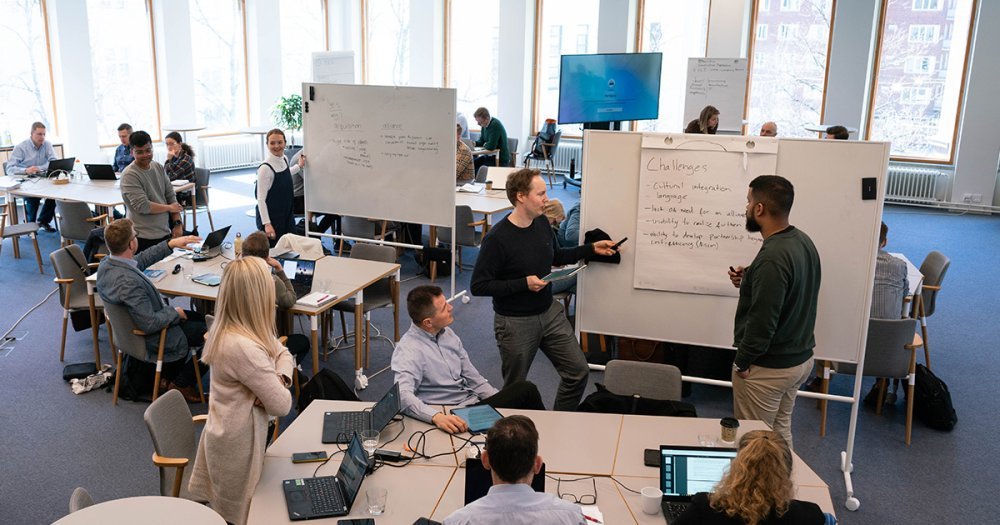
When urban developers travel on study tours, they don’t just sit in classrooms, they head out into the city.
“It is essential to gain a firsthand sense of the urban environment. That experiential understanding is a fundamental part of the comprehensive expertise required in urban development.”
 |
|
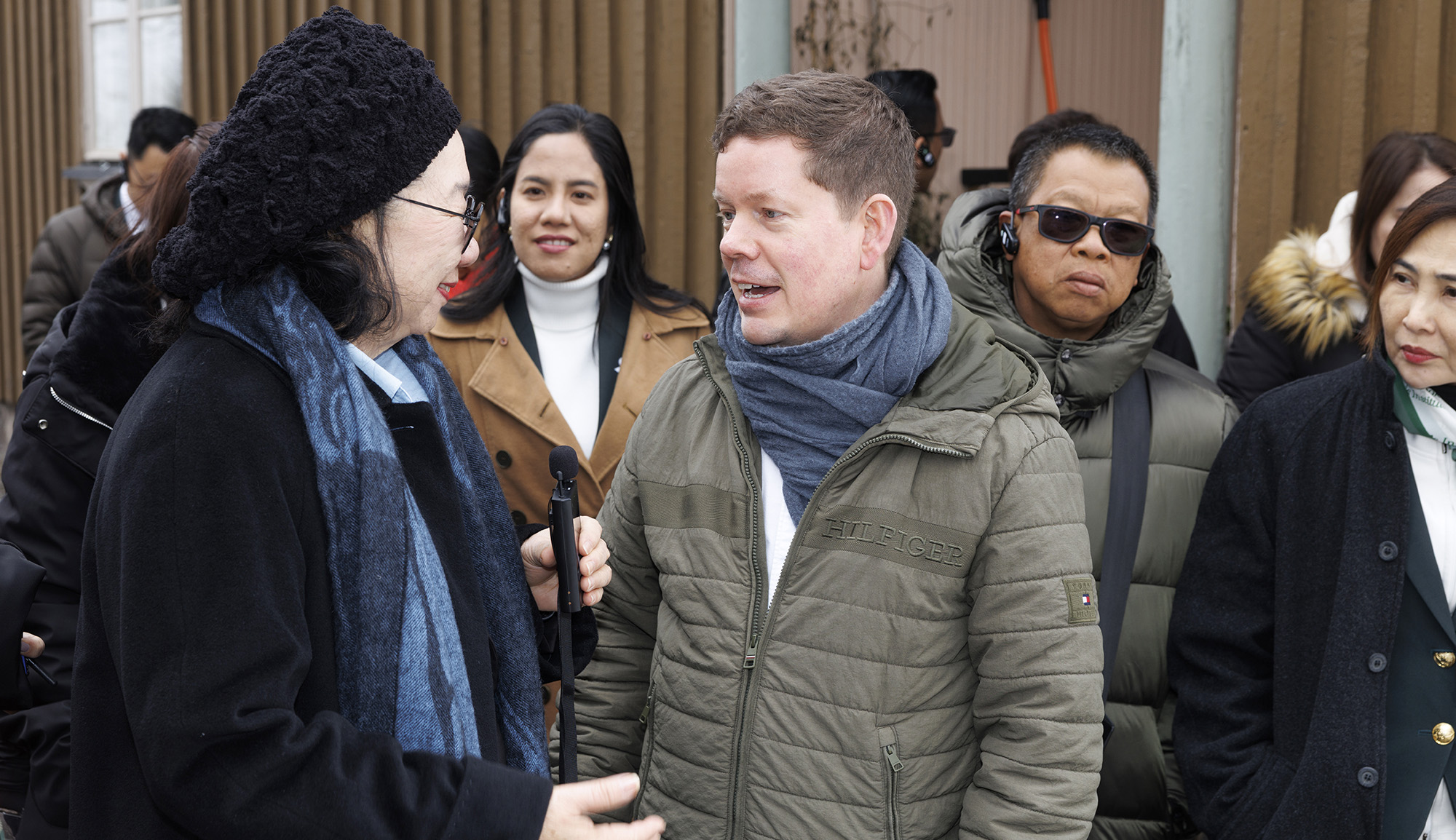
The delegation from the King Prajadhipok’s Institute was led by Dr. Orapin Sopchokchai. Tommy Lindgren is a lecturer at Aalto University’s Department of Architecture |
 |
|
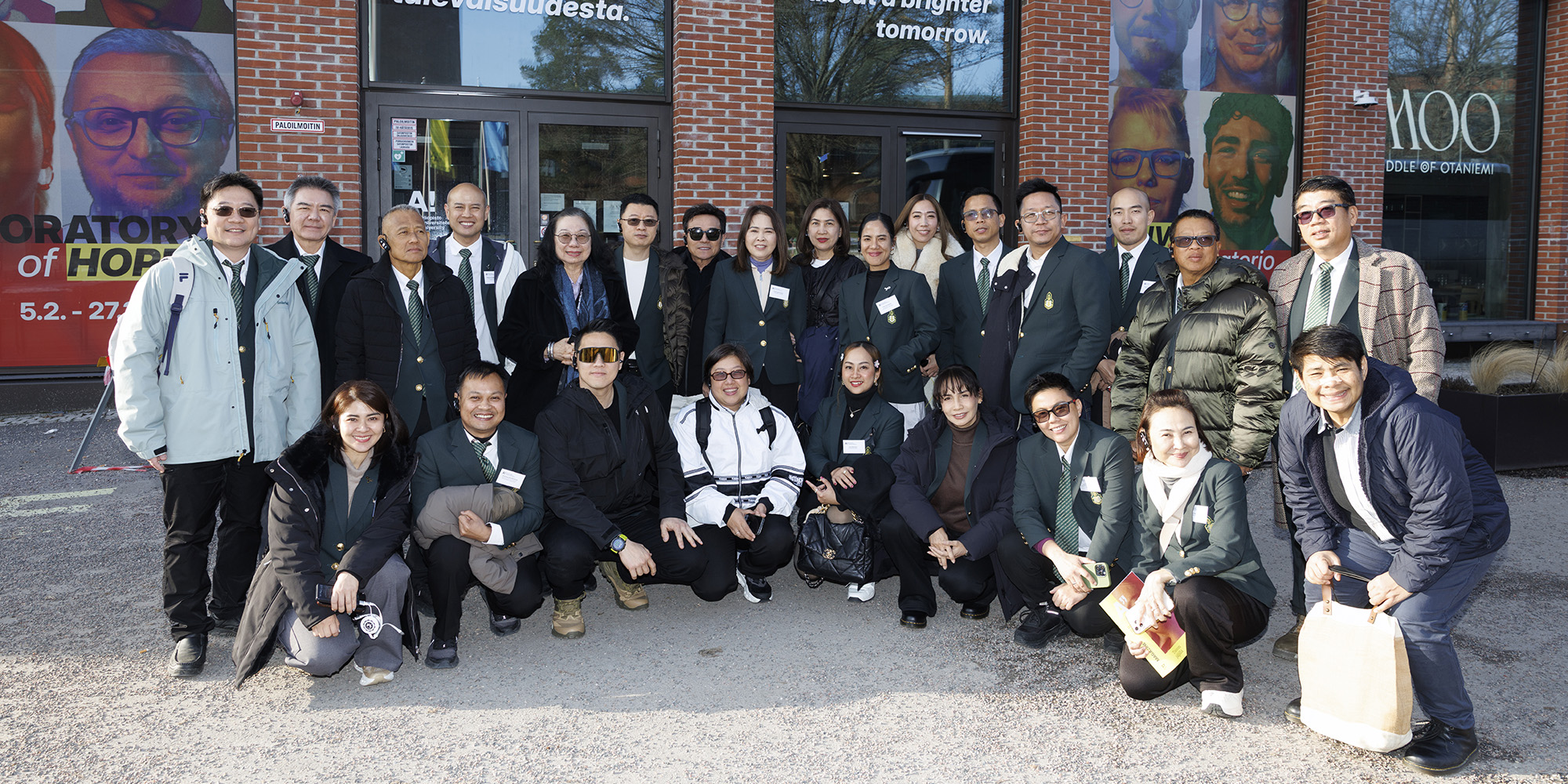
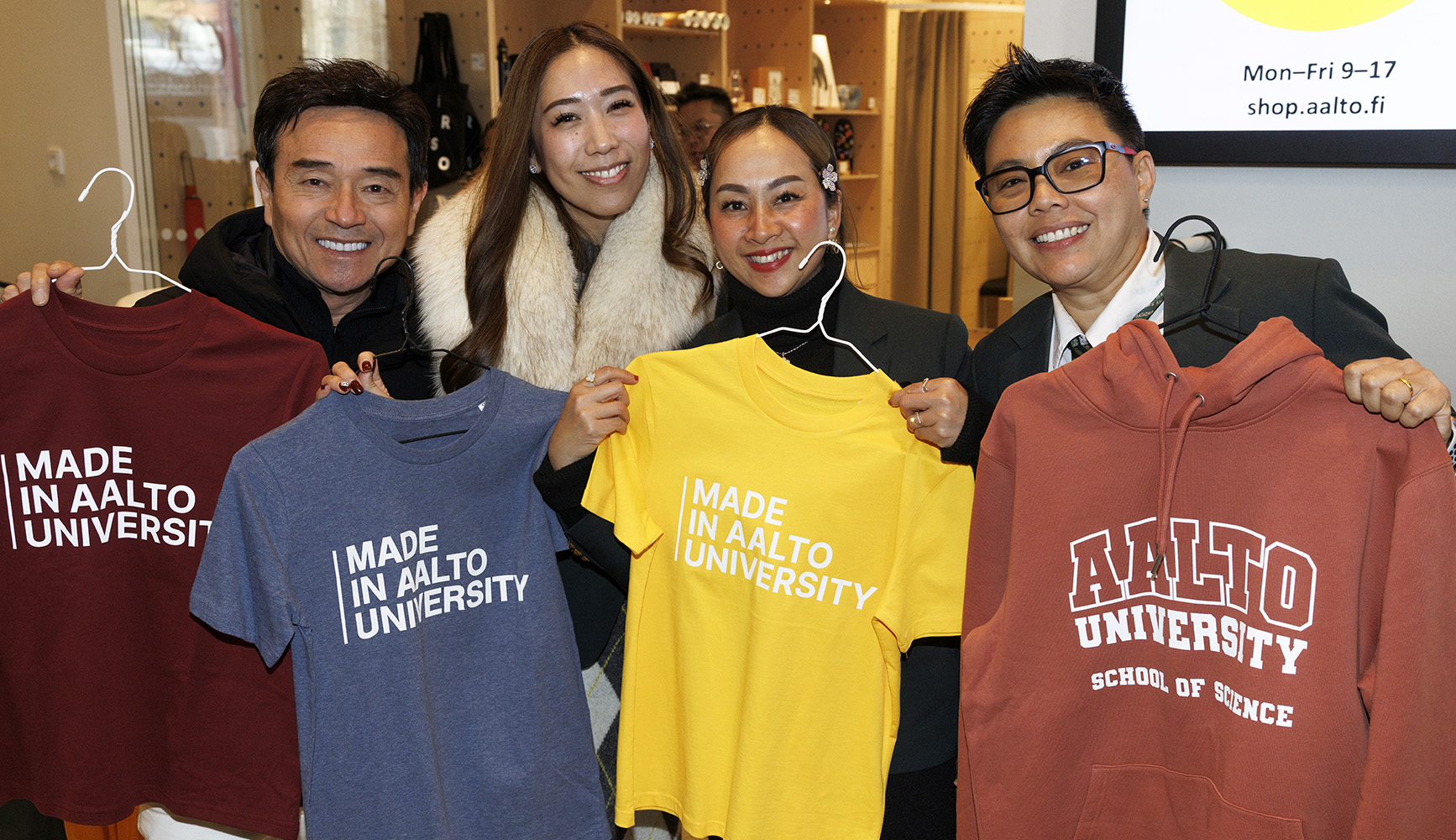
On Tuesday the delegation visited the Otaniemi campus area. |
 |
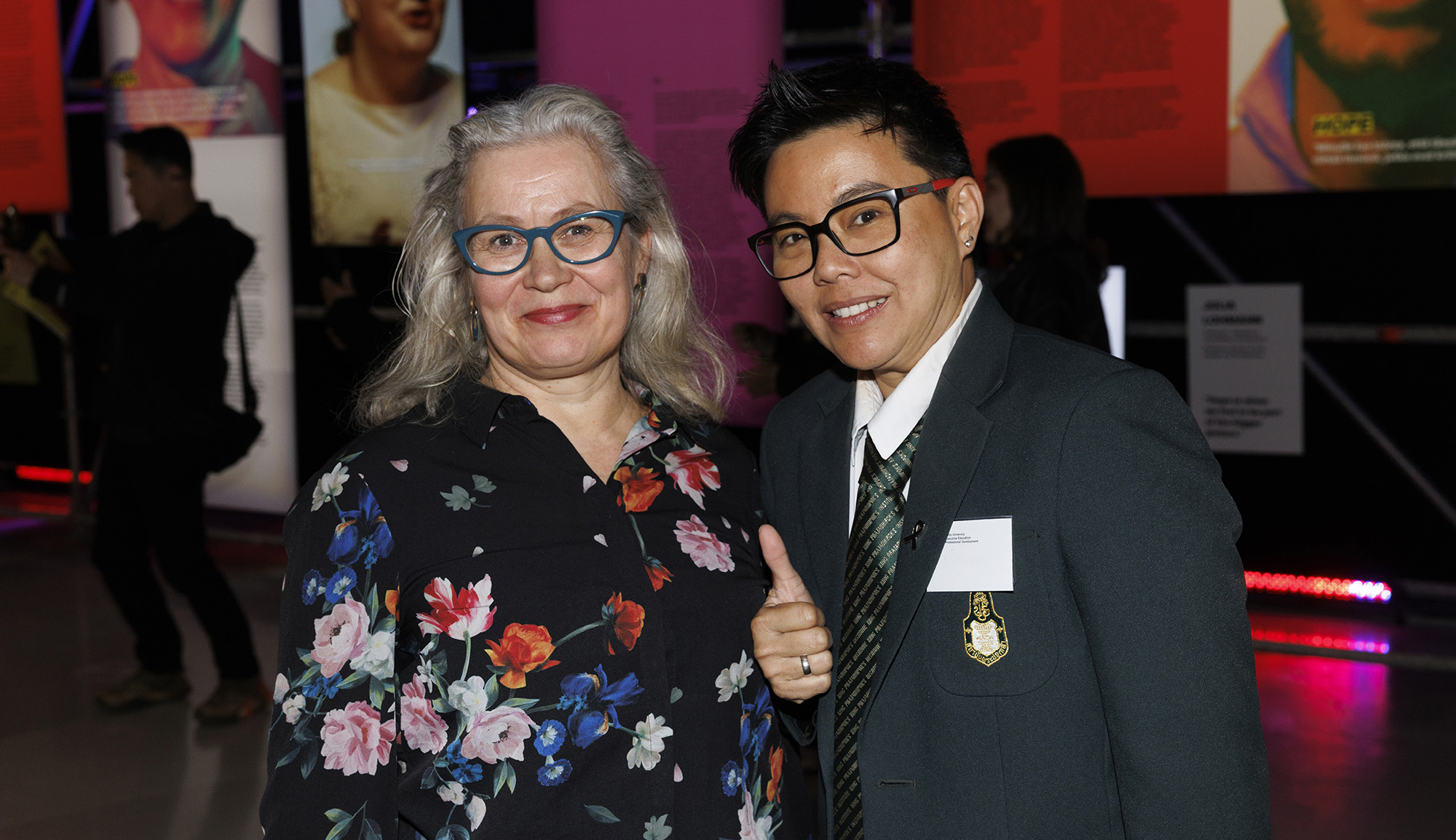 |
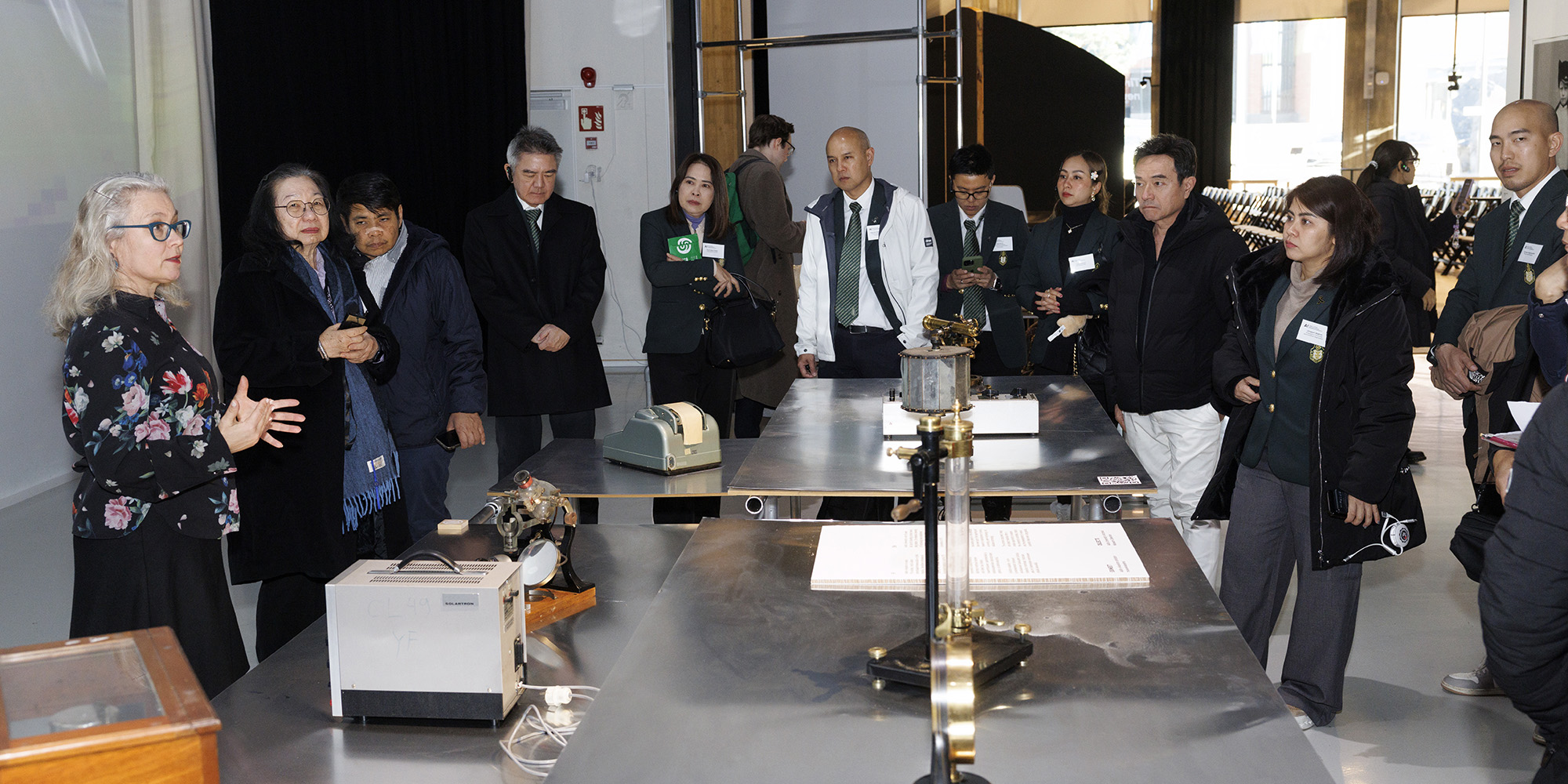
| Outi Turpeinen presented Aalto University's current exhibition Laboratory of Hope at Marsio in the Otaniemi campus. Next to her, Chanoknan Chotikitsomboon from Phuket province. |
 |
|
|