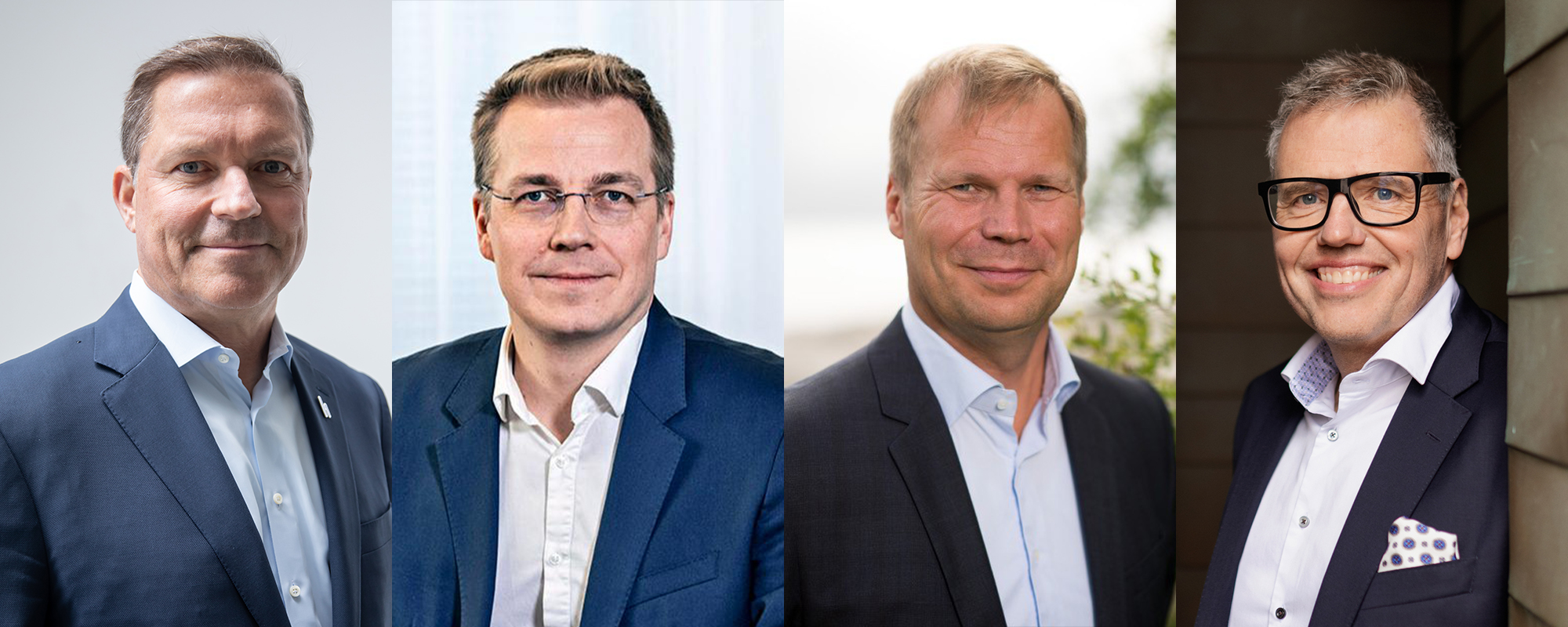














Around executive team tables, strategy often appears clear: the vision, targets, and metrics are captured in presentations, and the direction is, in principle, shared. The real test, however, begins when the strategy must be translated into everyday operations. At the same time, as the business environment evolves, organizations need to identify new growth opportunities and challenge outdated ways of working.
Does this sound familiar? The strategy evolves, but execution does not. Resources remain tied to old ways of working. New initiatives fail to progress fast enough.
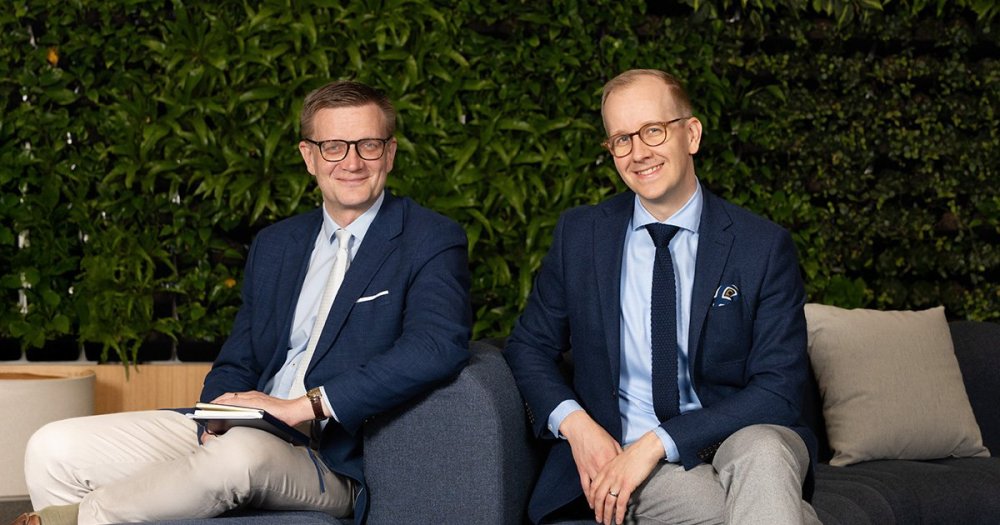
Today, executive teams are particularly challenged by three interconnected issues that test their strategic capability. Mari Rauhala and Maria Karsten, who are responsible for Aalto EE’s executive programs, examined these challenges and reflected on the kind of leadership and action required to address them.
Successful Strategy Execution Requires Flexibility and Leadership
Many strategies fail because there is no living execution plan behind them. Daily business operations are filled with competing demands: organizations are expected to deliver short-term results while resources remain tied to everyday operational work.
The key question for executive teams is this: are we capable not only of defining the direction, but also of leading strategy execution systematically and effectively in practice?
This requires the ability to prioritize and make choices, redirect and reallocate resources, respond to change without losing the strategic focus, and ensure that work translates into measurable results.
Successful execution also depends on whether organizations engage in mergers and acquisitions, build partnerships, or redesign organizational structures. Leaders therefore need tools that help translate strategy into concrete actions and implement it throughout the organization.
Aalto EE’s Driving Strategy Execution and Mergers & Acquisitions programs support leaders precisely in this: turning strategy into practice and delivering results in changing environments.
Building New Business Requires Looking Further Ahead
At the same time as organizations execute their current strategy, executive teams face another equally demanding challenge: creating new business opportunities. Optimizing the current state is no longer enough if markets, technologies, or customer needs are changing in ways that may undermine the business in the future.
Strategic foresight is no longer a separate exercise, it is now a core part of executive leadership. It requires the ability to interpret weak signals and identify turning points, challenge current assumptions, and make bold decisions amid uncertainty.
Executive teams must ask themselves: where do we believe growth will come from over the next five or ten years, and what must we do already today to get there?
Long-term strategic thinking also means identifying future challenges early, whether they are related to talent shortages, regulation, or sustainability pressures, and building competitive advantage ahead of others.
Aalto EE’s Crafting Ambitious Strategy and Strategic Foresight in Business Management programs provide executive teams with structures and tools to clarify future direction and strengthen strategic clarity.
Strategic Work Requires the Courage to Challenge Existing Thinking
The third challenge concerns how strategy work itself is approached. In many executive teams, decision-making still relies on established processes, familiar analytical frameworks, and the same voices around the table. While this creates a sense of security, it rarely drives renewal.
True strategic renewal requires the ability to challenge existing ways of working and making decisions. New perspectives emerge not only from data, but also from creativity, experimentation, and the collision of different ways of thinking. The challenge for executive teams is to create an environment where creativity is not isolated brainstorming, but becomes directly connected to strategic work.
Leveraging creativity requires leaders to foster psychological safety and to let go of complete control. At the same time, it opens the possibility to discover solutions that traditional strategy processes would never produce.
Aalto EE’s Leading Transformation with Creativity program helps leaders recognize and unlock this potential in support of strategic renewal.
Strategic Capability Is a Continuous Journey
Strategy work is not a once-a-year exercise tied to an annual planning cycle, it is an ongoing leadership responsibility. Executive teams that successfully combine agile execution, long-term foresight, and creative thinking build sustainable competitive advantage even in uncertain environments.
The ability to manage these three challenges separates strategically capable leadership teams from those that continue following an outdated map even after the landscape has already changed.
Where Does Your Organization Stand?
Is your challenge strategy execution, building new growth, or renewing ways of thinking?
Aalto EE’s strategy program portfolio helps leaders strengthen their strategic capabilities precisely in these critical areas.
Explore the programs – or let’s discuss which combination would best support your strategy execution and future growth.