














-
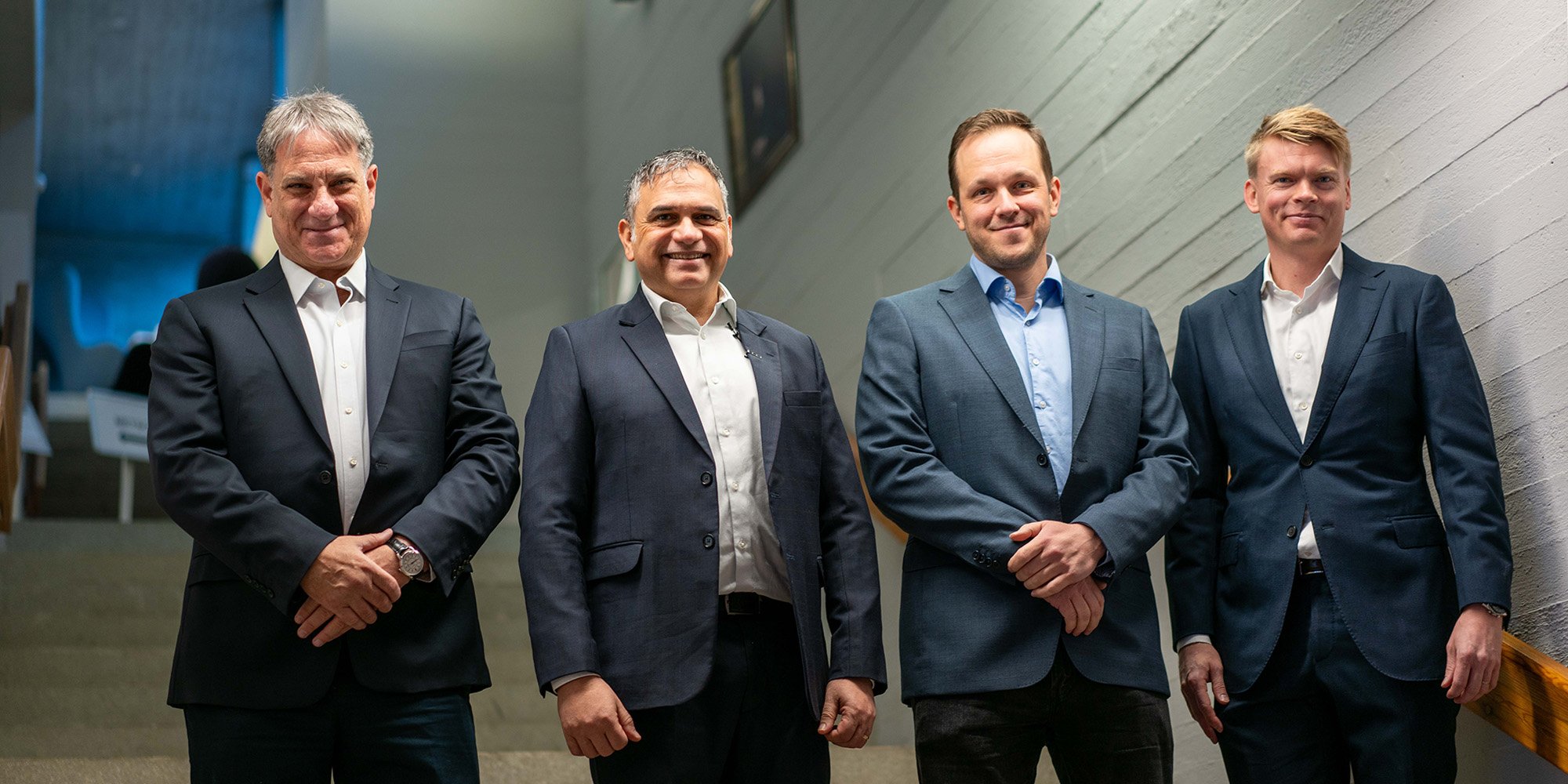
Rami Goldratt visited Aalto EE's seminar to explain the application of the Theory of Constraints developed by his father.
-
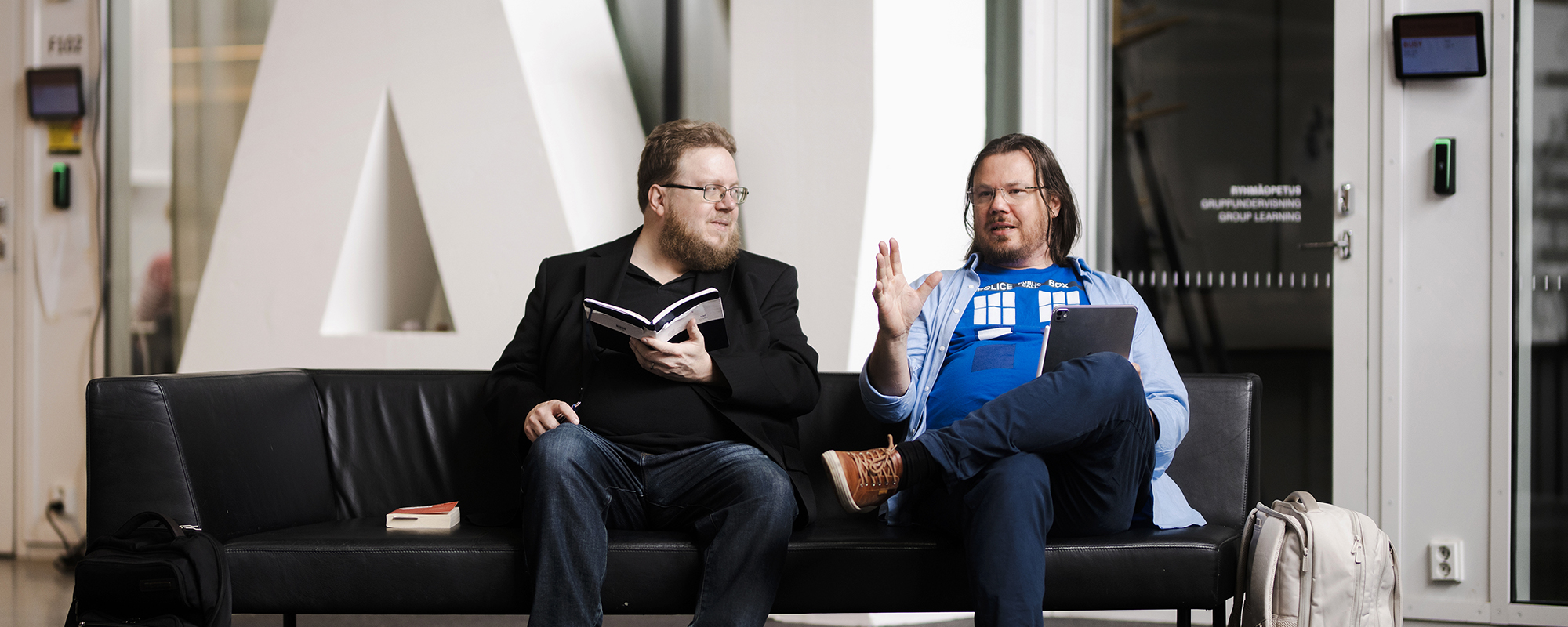
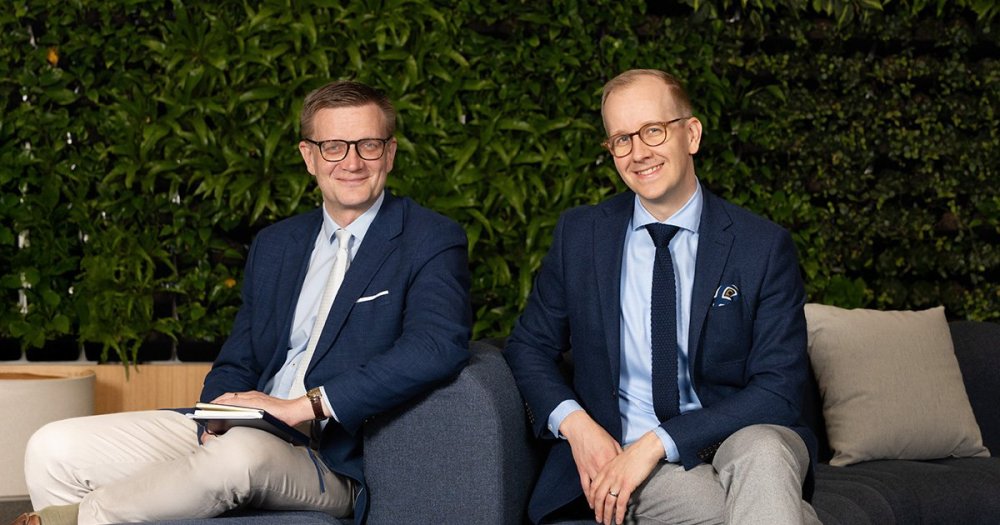
An academic perspective was provided by Associate Professors Lauri Saarinen from Aalto University and Mikael Öhman from Hanken, who emphasized the theory’s value in developing operations alongside Lean and Six Sigma methods, as well as its strength as a problem-solving tool.
On Tuesday, Dipoli was at the heart of a historical continuum when Aalto EE welcomed Rami Goldratt as the keynote speaker of the Theory of Constraints in Practice seminar. Twenty years ago, his father, the late Eliyahu M. Goldratt, author of the classic business novel The Goal, introduced the Theory of Constraints in Otaniemi.
The core of the theory is to identify the system’s most critical constraint, exploit it to the maximum first, and then implement all improvement actions subordinated to that constraint. The system’s constraint is the leverage point for efficiency and growth.
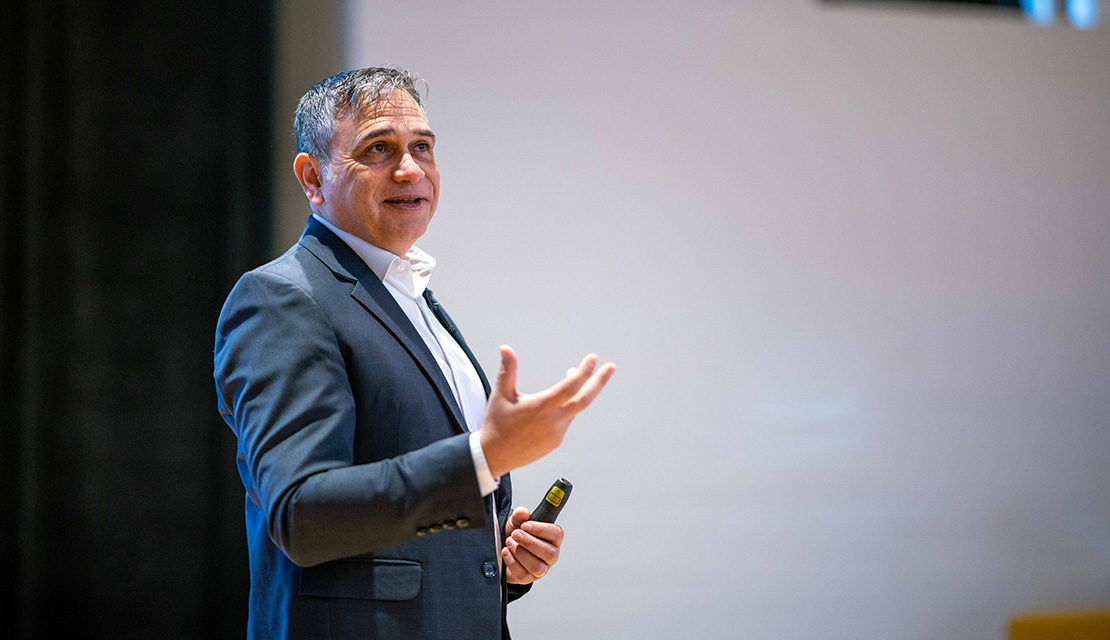 |
| Rami Goldratt |
Rami Goldratt continues his father’s work as CEO of the global consulting firm Goldratt Consulting Group. He explained both the fundamental principles of the Theory of Constraints and their practical application.
“The principles are simple, but that doesn’t mean they are easy to implement,” Goldratt emphasized.
According to Goldratt, organizations may fall into excessive, even harmful improvement efforts if they don’t first identify the constraint that most severely limits their performance.
“No part of a system works perfectly. There are problems everywhere, and people tend to try to improve anything they can. But a production chain is only as efficient as its weakest link.”
The challenge with the primary constraint is that if it were easy to solve, it would already have been solved. Constraints are not always easy to find, and they may shift as the organization or market conditions change.
Once the constraint is identified, the natural reaction is to add resources to that point. However, Goldratt argues, that the first step should be to align operations to the constraint. This typically means, for example, limiting the amount of work in progress.
“If the system constraint of a house manufacturer is design department and if it is overloaded, the new policy might be to give designers only five tasks at a time instead of the previous twenty. And no task is assigned until all necessary information from the customer and other departments is available.”
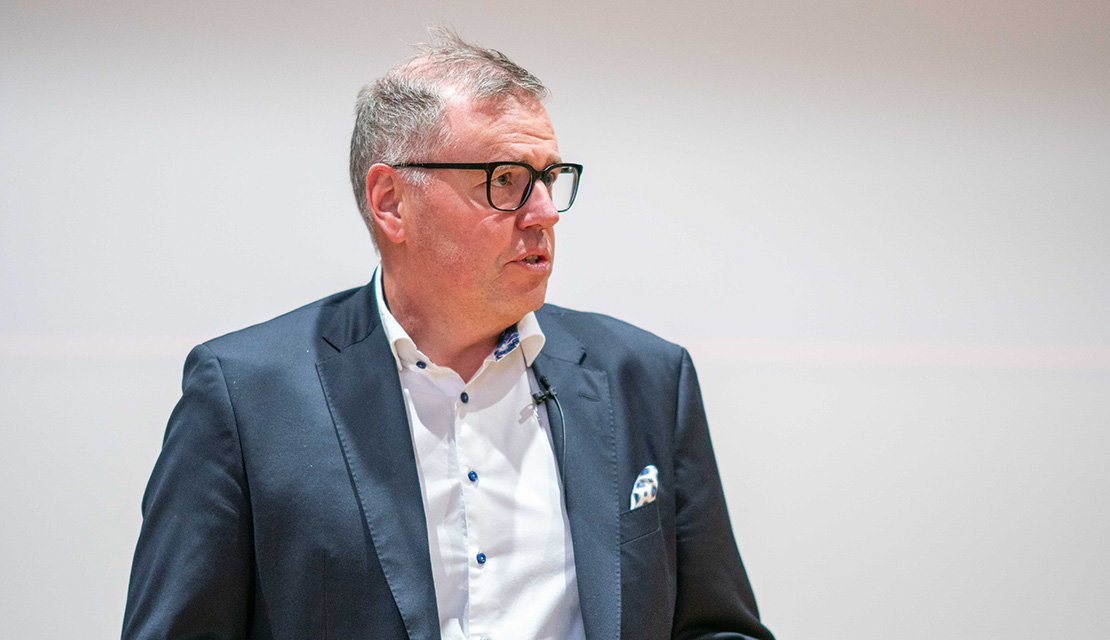 |
| Tom Lindholm |
Questions matter, not ready-made answers
“Comptence development is on the agenda more than ever,” said Aalto EE CEO Tom Lindholm in his opening speech.
“We can use the Theory of Constraints as a lens that opens new opportunities for learning, renewing operations, and developing leadership. We don’t offer ready-made answers but we want to inspire people to ask the right questions, the kind that help see challenges from a completely new perspective,” Lindholm continued.
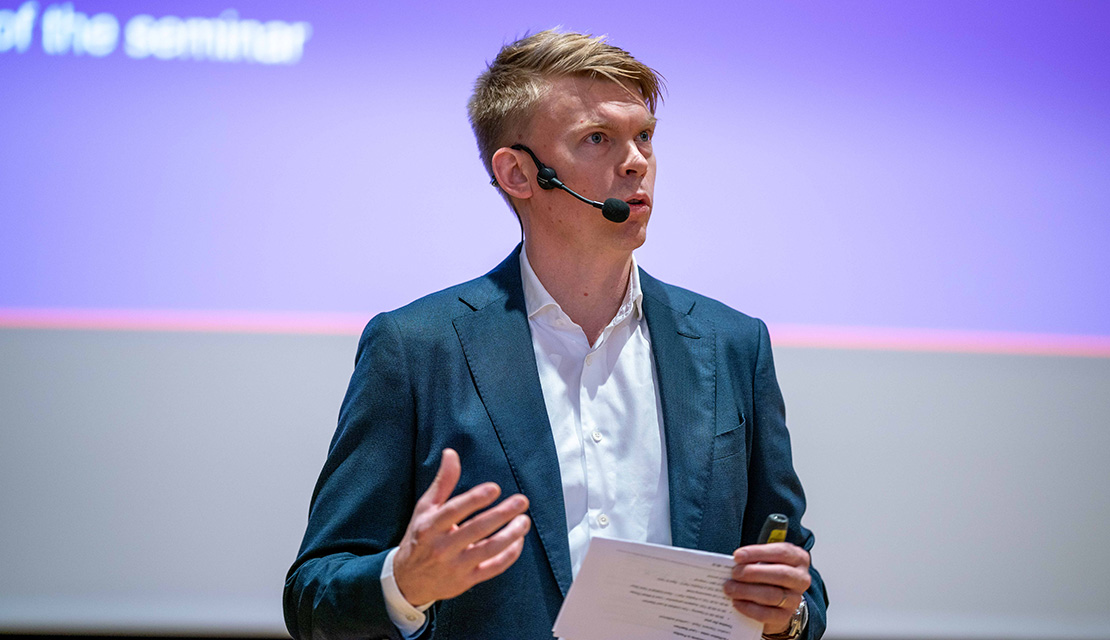 |
| Lauri Saarinen |
Aalto University Associate Professor Lauri Saarinen shared that he first encountered the Theory of Constraints as a junior consultant about 15 years ago.
“I was immediately fascinated and have also applied the theory in my research. In Finland, Lean and Six Sigma are well known. TOC is a complementary tool that could be used more widely. It helps uncover hidden conflicts,” Saarinen said.
Hanken Associate Professor Mikael Öhman described how TOC connects to the evolution of management research. The new generation of researchers integrates theory and practice more closely.
“In intervention research, the researcher doesn’t just observe but aims to create new knowledge by starting from real problems. You learn the most by solving the most challenging issues,” Öhman explained.
Yaniv Dinur, Partner at Goldratt Europe, stressed the importance of systems thinking.
“It’s not enough to identify a constraint. You need to identify the system’s constraint. Systems thinking is a powerful force, but it’s not easy. Leaders, for example, tend to break the organization into parts and optimize each of them.”
 |
| Hanken Associate Professor Mikael Öhman described how TOC connects to the evolution of management research. |