







A Museum Designed for National Impact
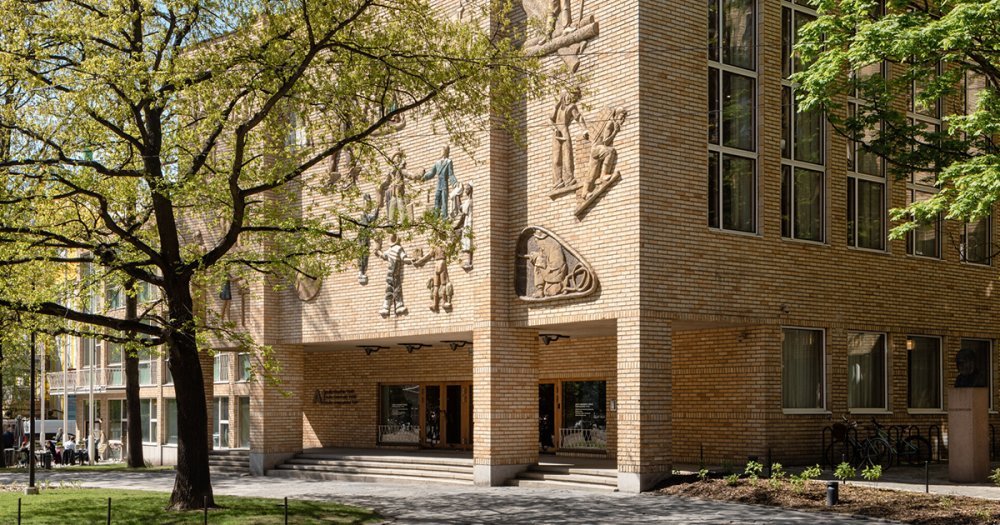
Kaarina Gould’s presentation on the new Museum of Architecture & Design struck me deeply. What resonated wasn’t only the sophistication of the funding model or the boldness of building an endowment in a Nordic context. It was the clarity with which the museum chooses to define its purpose.
The museum is not positioning itself as a building or a collection. It sees itself as a platform for national creative capacity, design democracy, and everyday innovation, its impact radiating into tourism, education, technology, and even national selfconfidence. That wider perspective fundamentally shifts the investment logic. When a cultural institution demonstrates that its mission is to energize an entire ecosystem, supporting it stops looking like philanthropy and starts looking like strategy.
 |
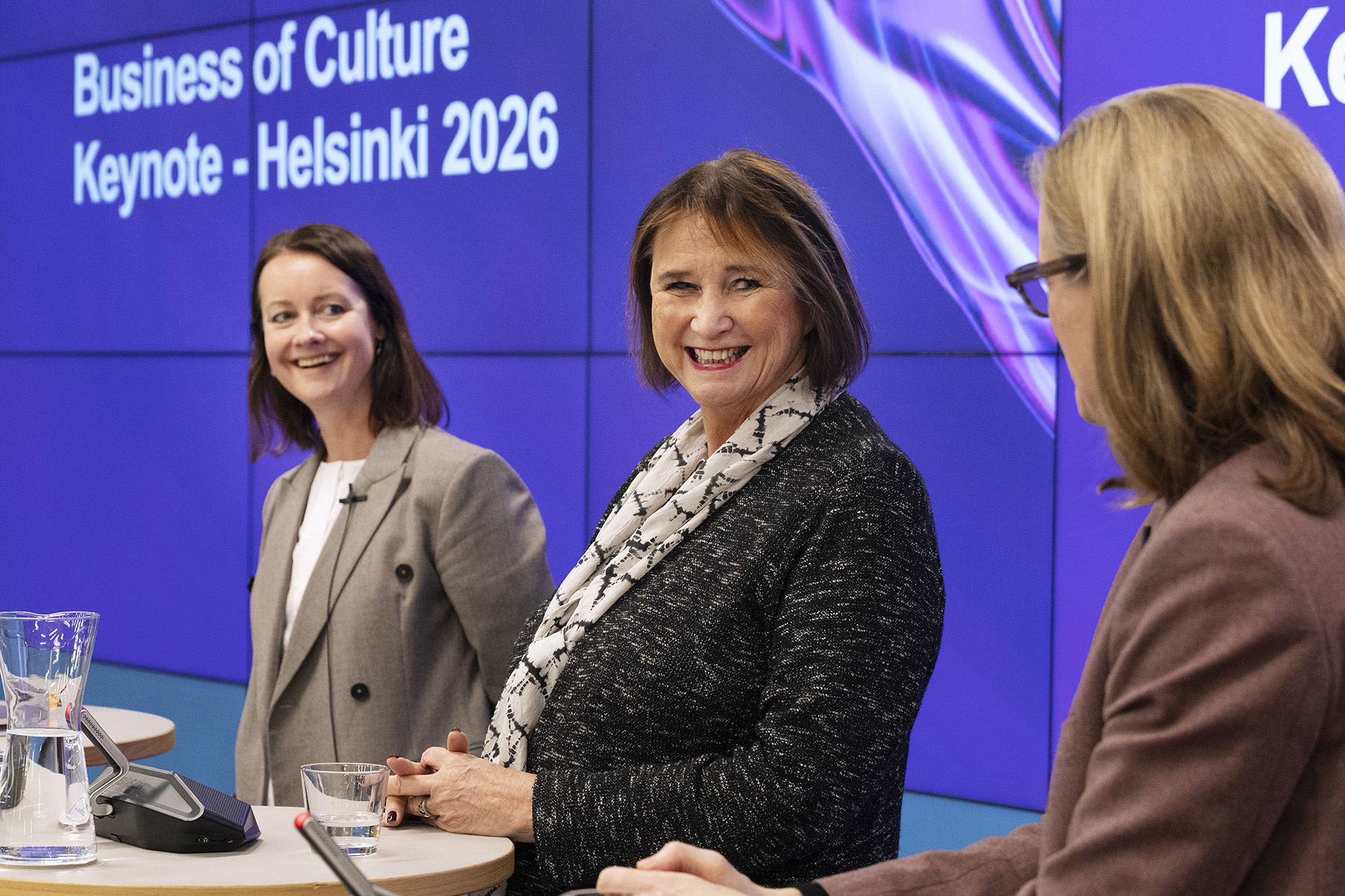 |
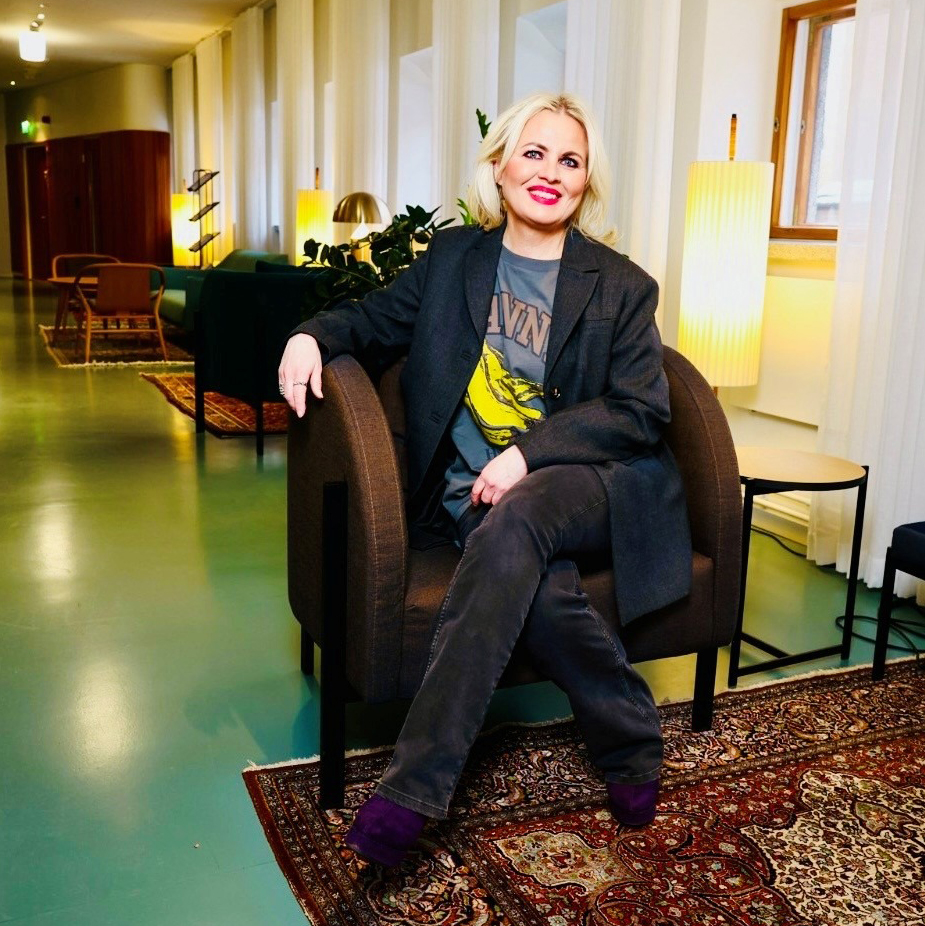
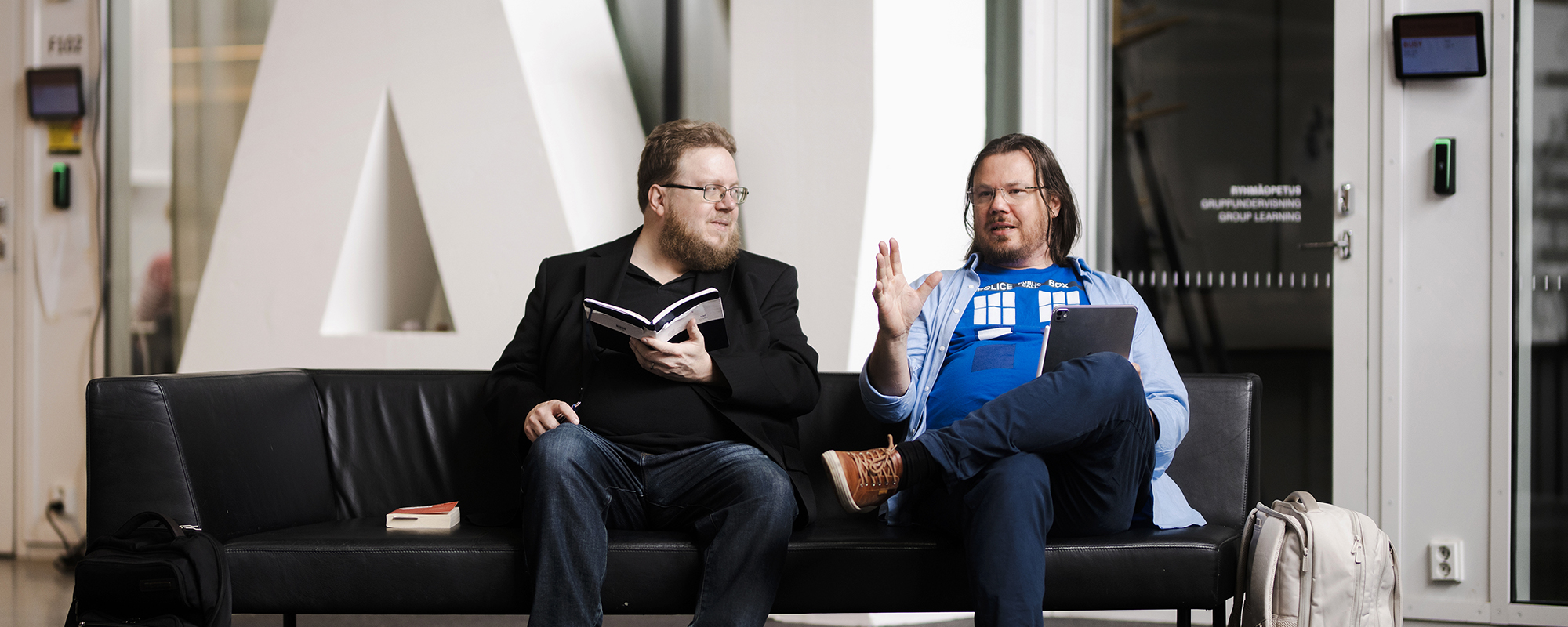
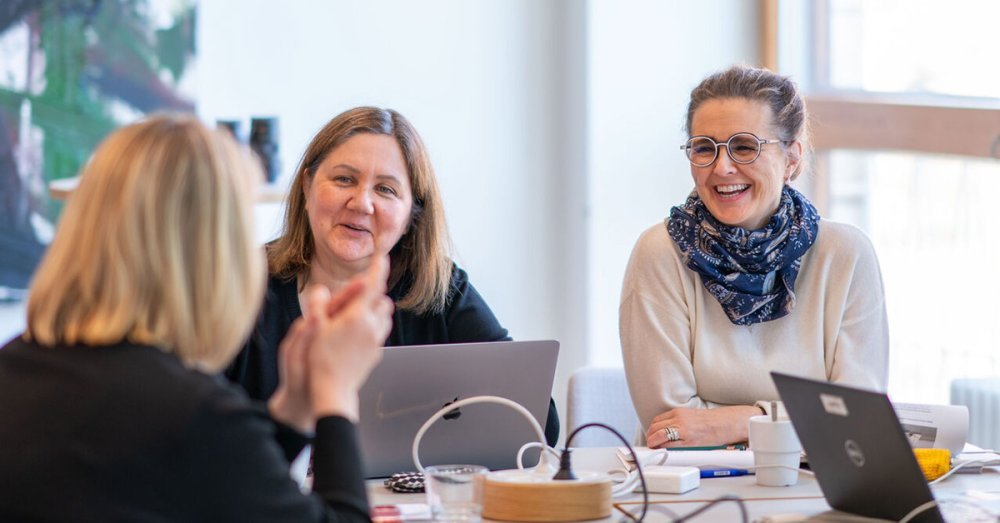
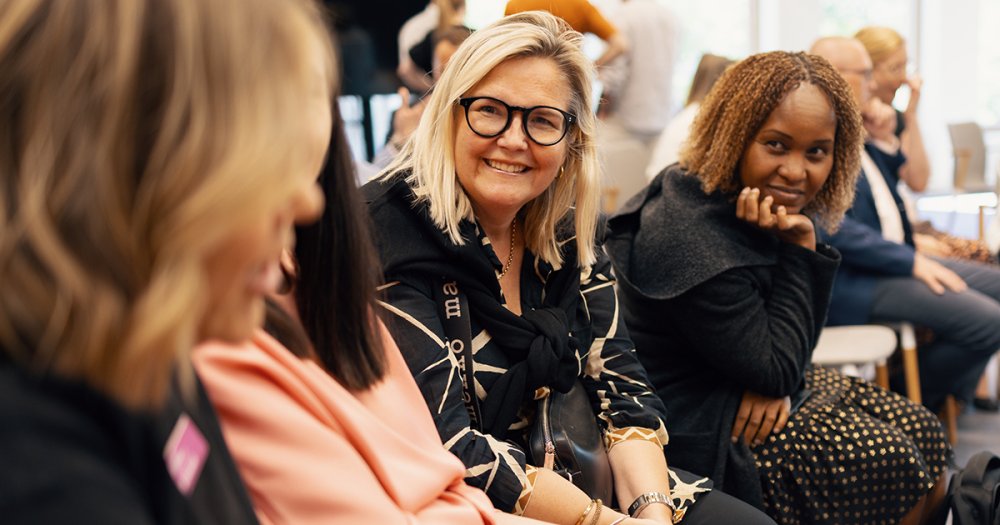
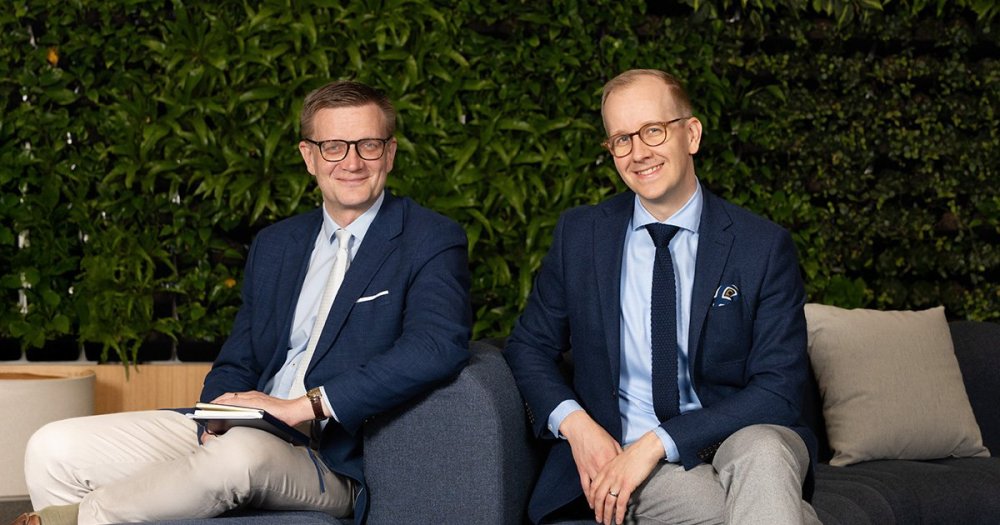
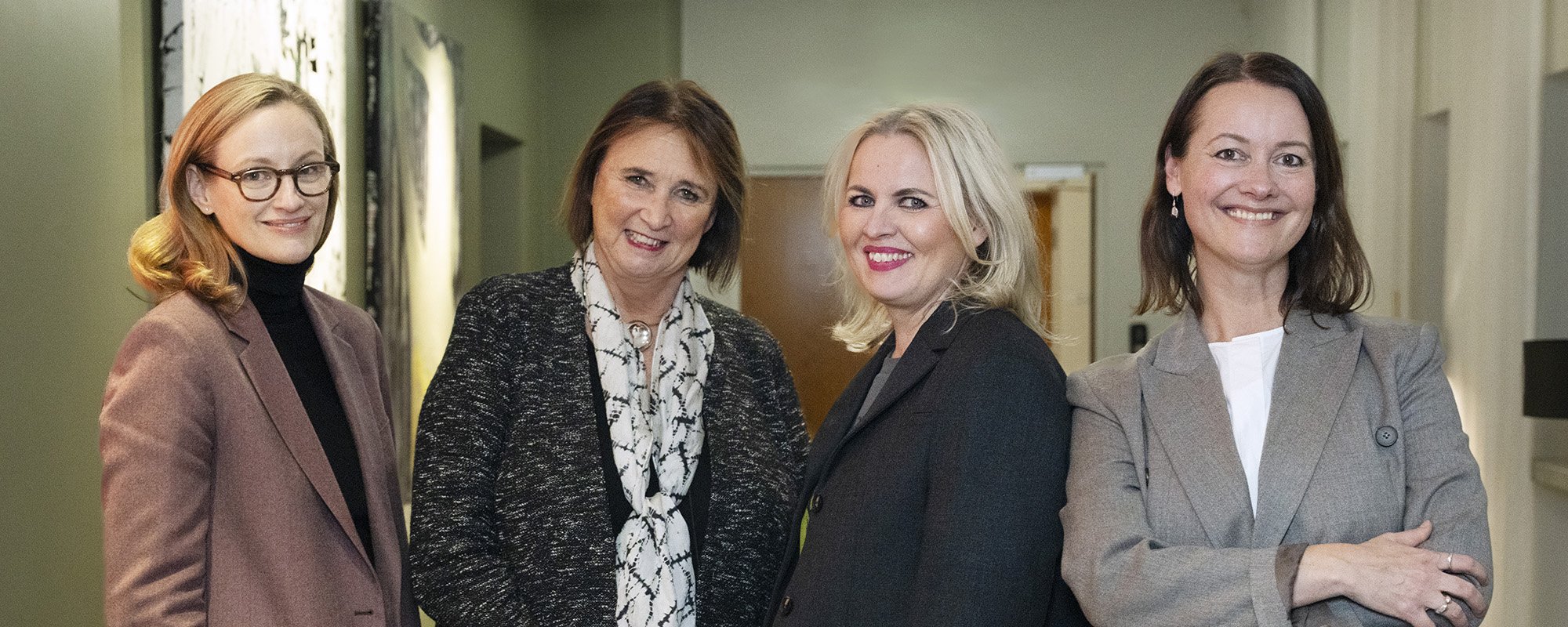
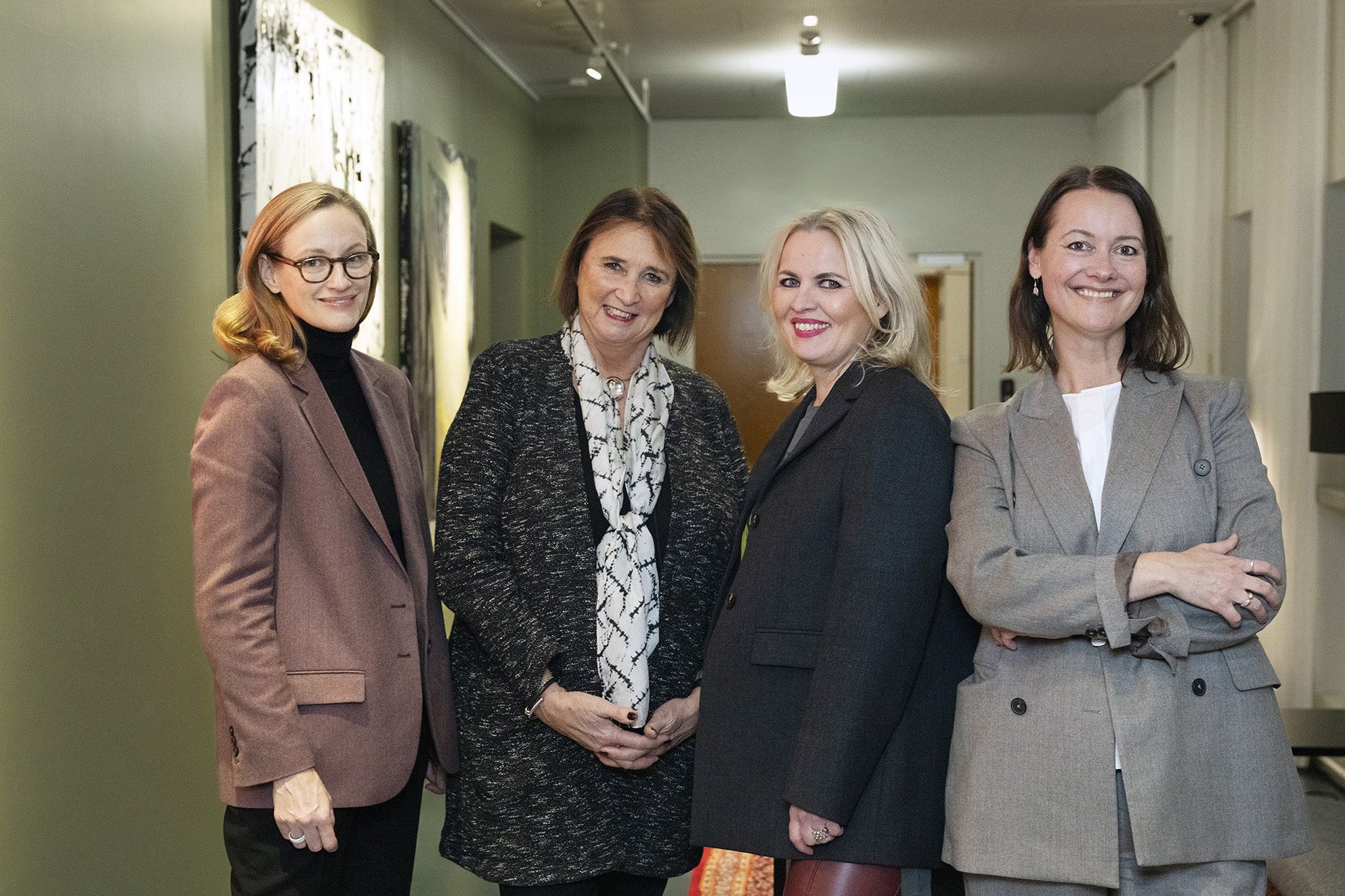
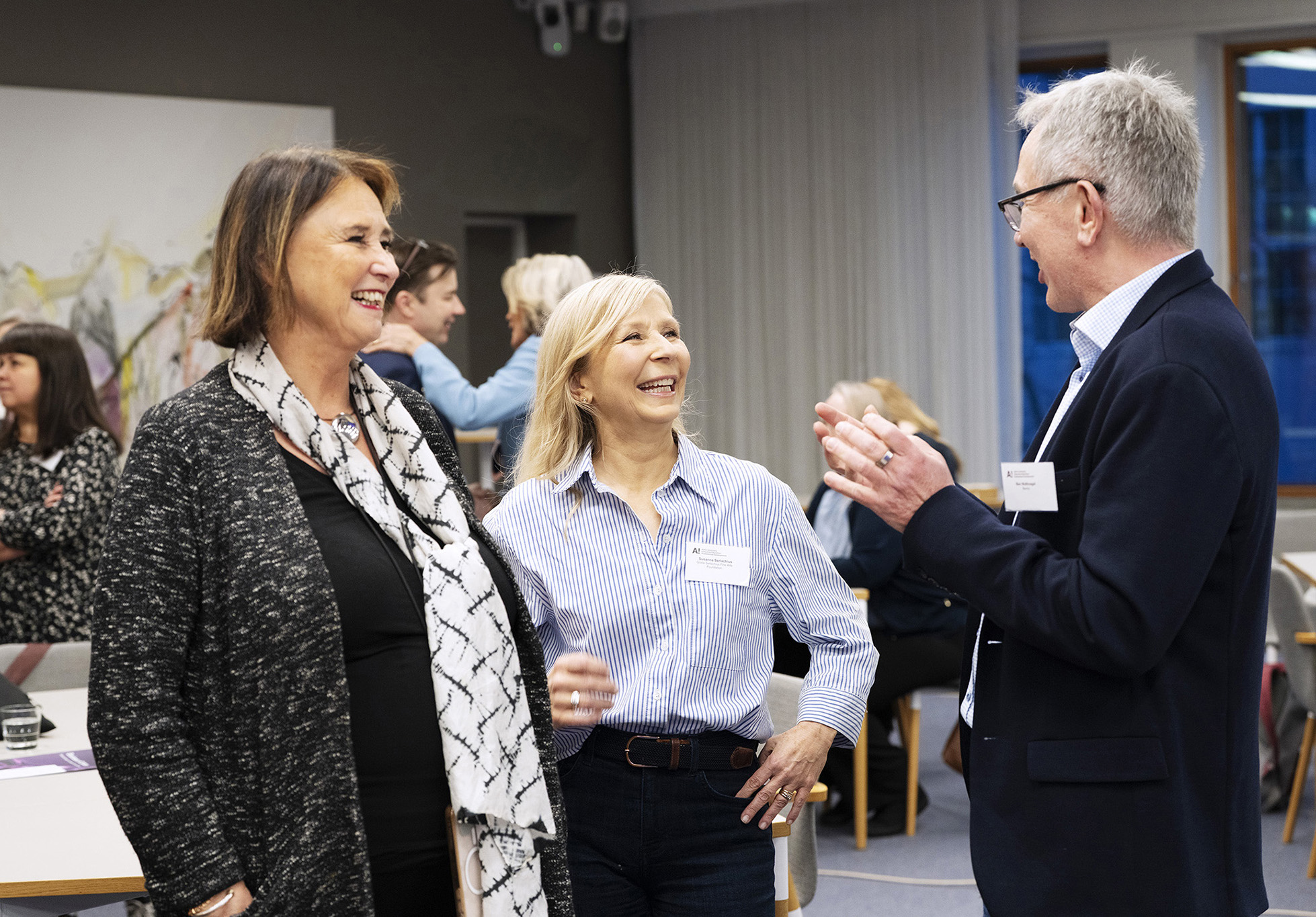
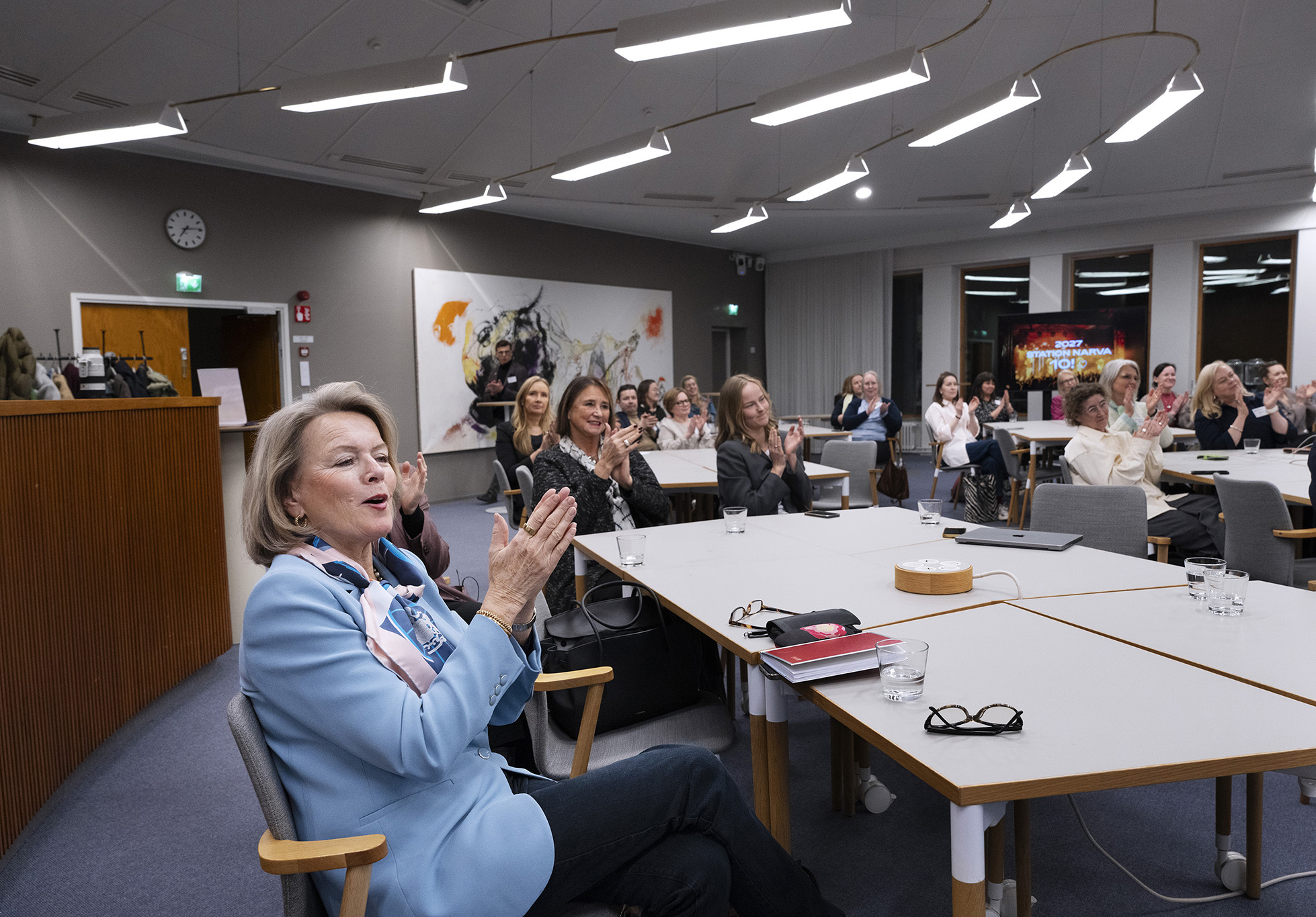
| Kaarina Gould, CEO of the Foundation for the Finnish Museum of Architecture and Design; Rafaela Seppälä, a prominent Finnish media owner and long-time board member of Sanoma; and Helen Sildna, Founder & Director of Tallinn Music Week, spoke at the event. The event was moderated by Nana Salin, Senior Advisor at Aalto EE. | |
How Culture Becomes an Ecosystem
Helen Sildna’s keynote on Tallinn Music Week touched me in a different way, emotionally and viscerally. She reminded us that a festival can be infinitely more than a festival. In Tallinn and Narva, culture becomes a force for democratic vitality, integration, placebuilding, and resilience.
What she described was an ecosystem: an entity that shapes identity, strengthens communities, and connects creative talent with global networks. Hearing her speak, I felt again how culture, when understood in its full dimension, becomes a tool for shaping how a place imagines its future, not simply how it entertains its audience.
Cross-Border Vision and Cultural Leadership
Rafaela Seppälä added yet another important layer to the discussion during our panel. She has long acted as a cultural pioneer on the funding side, first as a founding member of the support foundation behind Kiasma, helping shape early thinking around new forms of cultural collaboration in Finland. Today, through the Tiftö Foundation she established, she continues to build pathways for Finnish contemporary art internationally, including significant support for institutions such as HAM and the Helsinki Biennial. Her voice reminded us how much value emerges when cultural organizations, private foundations, and international actors dare to imagine different models of cooperation. She has consistently cleared both mental and practical space for the idea that cultural impact grows when we build partnerships that extend beyond traditional boundaries.
 |
 |
A New Operating Mindset for Cultural Futures
Together, these three perspectives made something clear: the future of cultural organizations is not defined only by how well they can demonstrate their value, but by how courageously they can rethink their place in society. The shift ahead is not merely about better arguments or broader impact statements; it is a deeper mindset transformation. Cultural institutions are not exceptions operating outside other sectors, but active participants in the same societal, economic, and civic dynamics as everyone else.
This means holding on to the core of one’s artistic mission while also being willing to question longheld assumptions about how that mission is carried out. It means embracing the idea that culture contributes to wellbeing, pride, innovation, resilience, and cohesion — and understanding these contributions as part of a shared societal project rather than a justification for support. Cultural organizations become truly investable when they see themselves as part of wider systems, interdependent rather than isolated, shaped by collaboration rather than vulnerability to shifting public budgets.
And the shift cannot rest with institutions alone. We need a broader cultural mindset that recognizes cultural organizations as part of our common societal infrastructure — entities that require long-term commitment, shared responsibility, and new models of partnership and renewal. This is not about defending culture, but about integrating it fully into the conversations, decisions, and futures that shape the societies we want to build.