












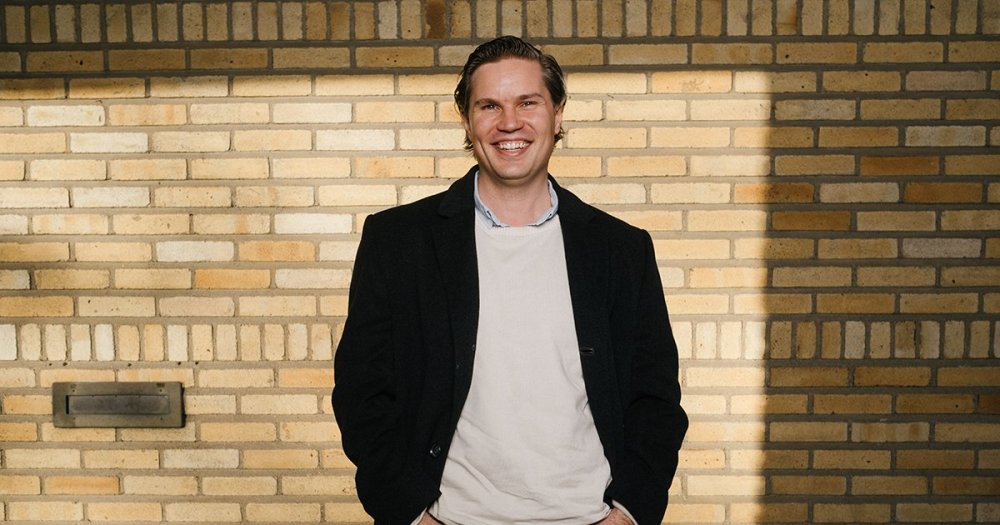



Happiness is not about perfection but about the ability to accept life's diversity and find meaning in everyday life. This is how philosopher and assistant professor Frank Martela summarizes why Finland has been ranked the happiest country in the world for the eighth consecutive time.
"The fact that Finnish happiness levels are high doesn't mean that many people are perfectly happy, but rather that we have very few highly unhappy people," says Frank Martela.
In Finland, institutions can be trusted, and society provides security and reduces sources of misfortune.
"We have unemployment benefits, maternity and paternity leave, and healthcare. State takes care of the citizens."
Working life is less hierarchical
In Finnish work culture, individual employees have more space to express themselves, make independent decisions, and consider what makes sense.
"For employee wellbeing and motivation, it's important that people have more control over their own work. In a modern work environment, this is also more productive," says Frank Martela.
"In traditional organizations, leadership is like the head, and employees are like the hands. Management makes the decisions, and employees' ideas are typically not heard or acted upon. When a more equal culture is introduced, the thoughts and expertise of the entire work community can be better utilized."
When a workplace adopts a startup-like mindset, everyone has more responsibility and ownership of their work, and creativity flourishes.
Martela believes that startup culture has helped shift this mindset.
Entrepreneurship is no longer a second-best option for those who couldn't find better jobs—it's a bold and ambitious career choice.
"When a workplace adopts a startup-like mindset, everyone has more responsibility and ownership of their work, and creativity flourishes."
Article continues after the video
https://youtu.be/D5s29owjAaw?si=C9gZ-f1NKNuRqCcV
Education is not tied to parental wealth
The Finnish school system supports equal opportunities and student autonomy. For example, it's easier for parents to become entrepreneurs in Finnish society, where education is free and children's access to university doesn't depend on whether their parents can afford to pay for their studies.
"It's also easier to take risks in working life when you know your children's healthcare services don't depend on whether you succeed or not."
"People can pursue education they feel passionate about, no matter their parents' income. And the Finnish education system supports autonomy. There isn't an overwhelming culture of teachers lecturing and students memorizing, but rather an attitude that learning happens through doing and engaging with the material."
 |
|
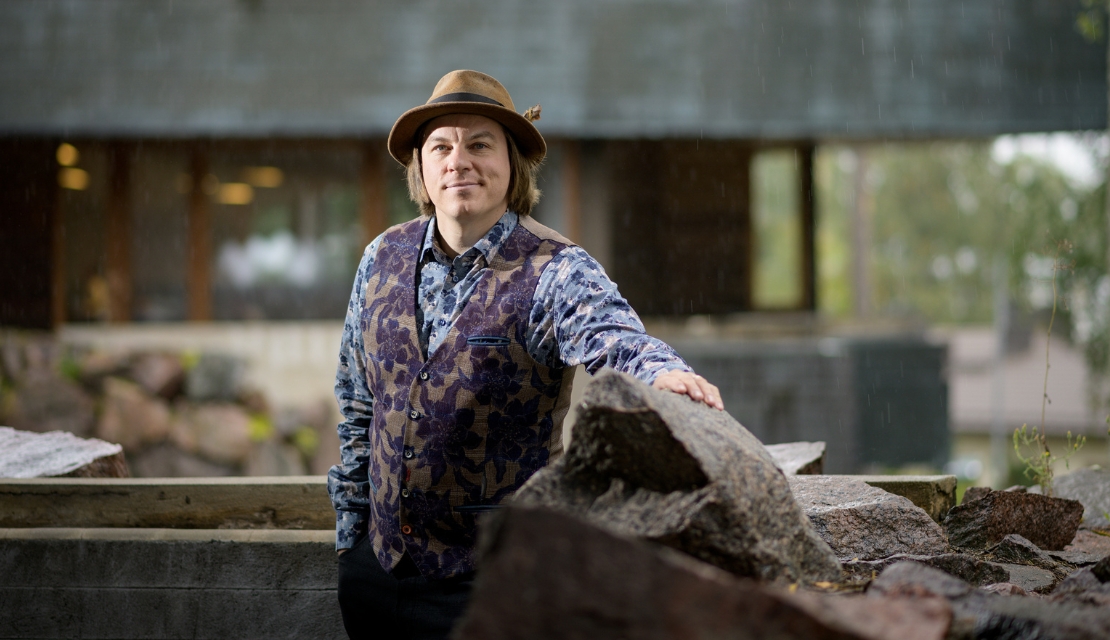
When explaining why Finns are happy, Frank Martela tends to say: States cannot make citizens happy, but they can remove many sources of unhappiness. |
Small everyday things bring happiness
It's no secret that Finns love their summer cottages. At the cottage, life returns to the basics—enjoying nature, the lake, and the sauna.
"Humans are animals, after all, and animals tend to like nature. Instead of going to world-class amusement parks and spending a lot of money, we go to the cottage and enjoy being part of nature," says Frank Martela. He reminds us that most cultures have their own ways of connecting with nature—whether it's bathing in Japan's natural mineral hot springs, onsen, or finding peace through staring at the vastness of an ocean.
Humans are animals, after all, and animals tend to like nature.
According to Martela, happiness can be partly culturally learned: our attitudes influence how we experience situations, what we consider worth pursuing, and how we interpret our experiences.
"If someone has spent their whole life chasing a specific goal or material achievement, the finish line often just keeps moving forward."
"On the other hand, people can influence their own attitudes to some extent. Some are able to be present in the moment and find happiness in what they have right now."
Self-knowledge helps you live a life that reflects who you are
Although Frank Martela has written a book about happiness and often speaks on the topic, he says he doesn't think about his own happiness very often. Still, he considers himself reasonably happy.
"There's no need to consciously reflect on one's own happiness, but it does emerge as a byproduct of life choices. When you've deeply considered your life decisions, you are more likely to end up in a place that makes you happy."
"Trying too hard to optimize and maximize happiness can actually lead to less satisfaction with life and become an obstacle to happiness."
When you've deeply considered your life decisions, you are more likely to end up in a place that makes you happy.
Martela discusses this in his book Stop Chasing Happiness (Allen & Unwin, 2025). He argues that if people cared less about social comparison, dared to be unpopular, and accepted their negative emotions, their satisfaction with life would often be deeper.
He also encourages people to be selective about whose approval they seek and whose opinions they care about. Of course, this is easier if one has received the emotional tools for it from their childhood home.
"Parents play a significant role. Some parents can convey the feeling that their child is good just as they are, and that their choices are supported."
"If you start living too much according to others' expectations, you'll never be satisfied—because those expectations are usually conflicting. That path doesn't lead to lasting happiness."
Happiness, he adds, isn't about constant peak emotions, but rather about sufficient satisfaction with one's choices: accepting your own feelings and the societal conditions around you and learning to live in harmony with them.
"Finns have a built-in resilience and sisu: even when things go badly, we accept the situation and start rebuilding."