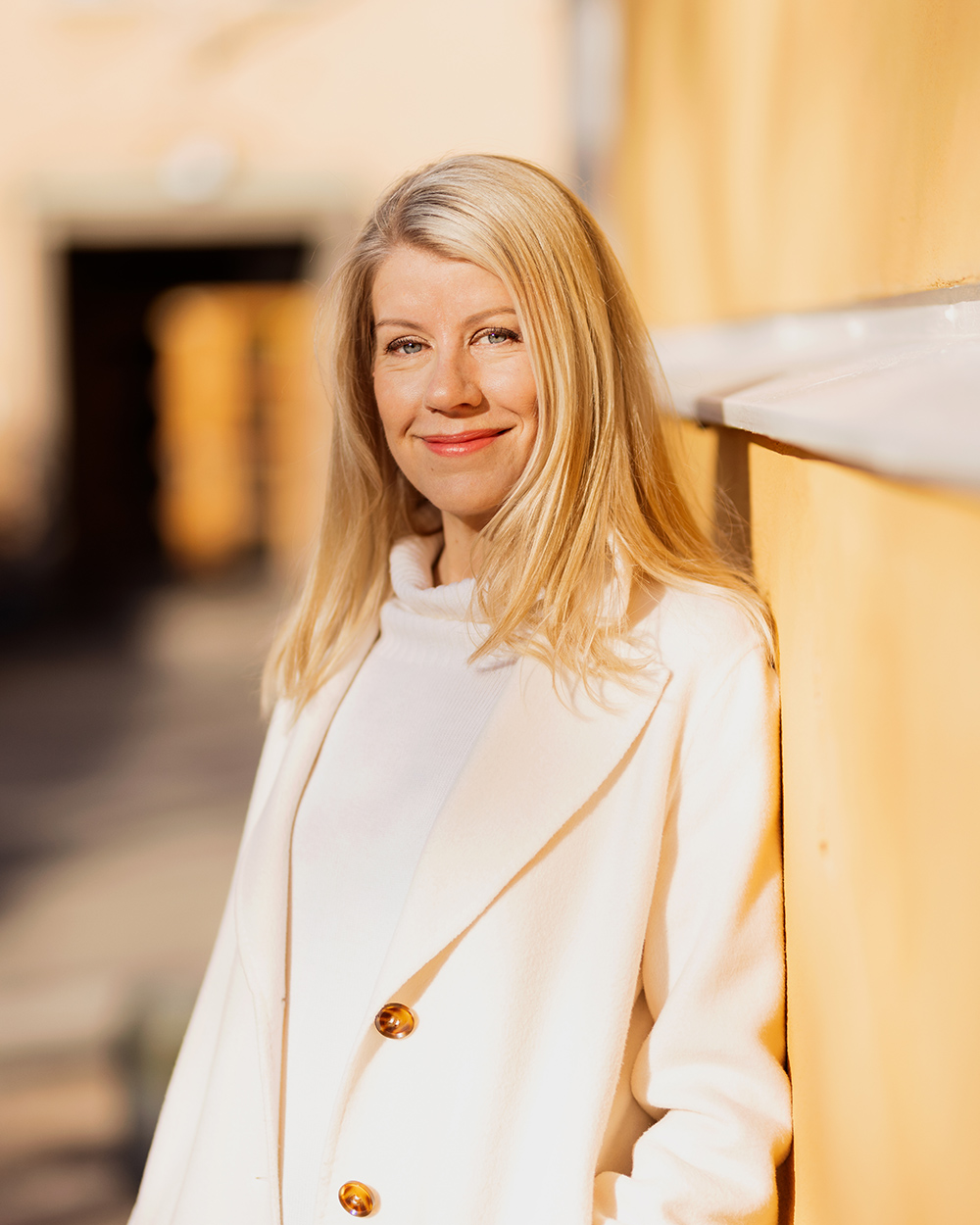







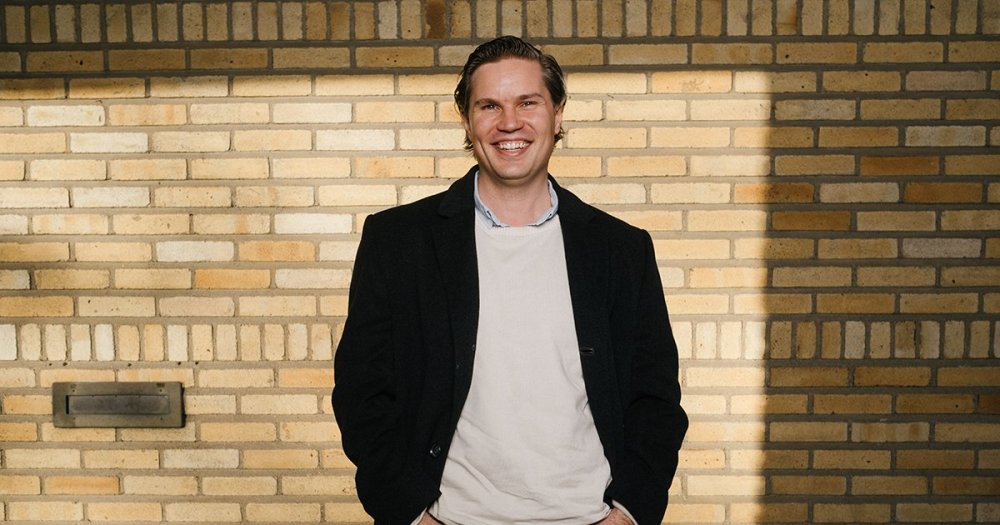



Susanna Takkunen recalls the moment she realized that nearly everything affecting her work was in flux.
It was 2015, and Takkunen was the marketing director at a Finnish cosmetics company. Digitalization had been advancing for some time, but now the marketing landscape and tools were undergoing a complete overhaul.
E-commerce became increasingly popular, with people choosing products from global markets from the comfort of their own sofas. Consumers compared prices and products themselves, sharing their tips with others. Online delivery times got faster, and new competitors flooded the market.
In the past, products were advertised in newspapers, on TV and on the radio. But now, consumers were sharing reviews in their own words, and marketing had to quickly adapt to the rapidly changing digital landscape.
"All the traditional principles changed in one go," Takkunen reflects.
But what didn’t change were the team, budgets, investments, and expertise.
Takkunen soon realized her existing skills wouldn’t be enough to keep up.
"If I wanted to get others on board with the transformation, I had to understand what was going on myself."
So, what was she to do?
“I realized I needed to figure it out for myself. If I wanted to get others on board with the transformation, I had to understand what was going on myself.”
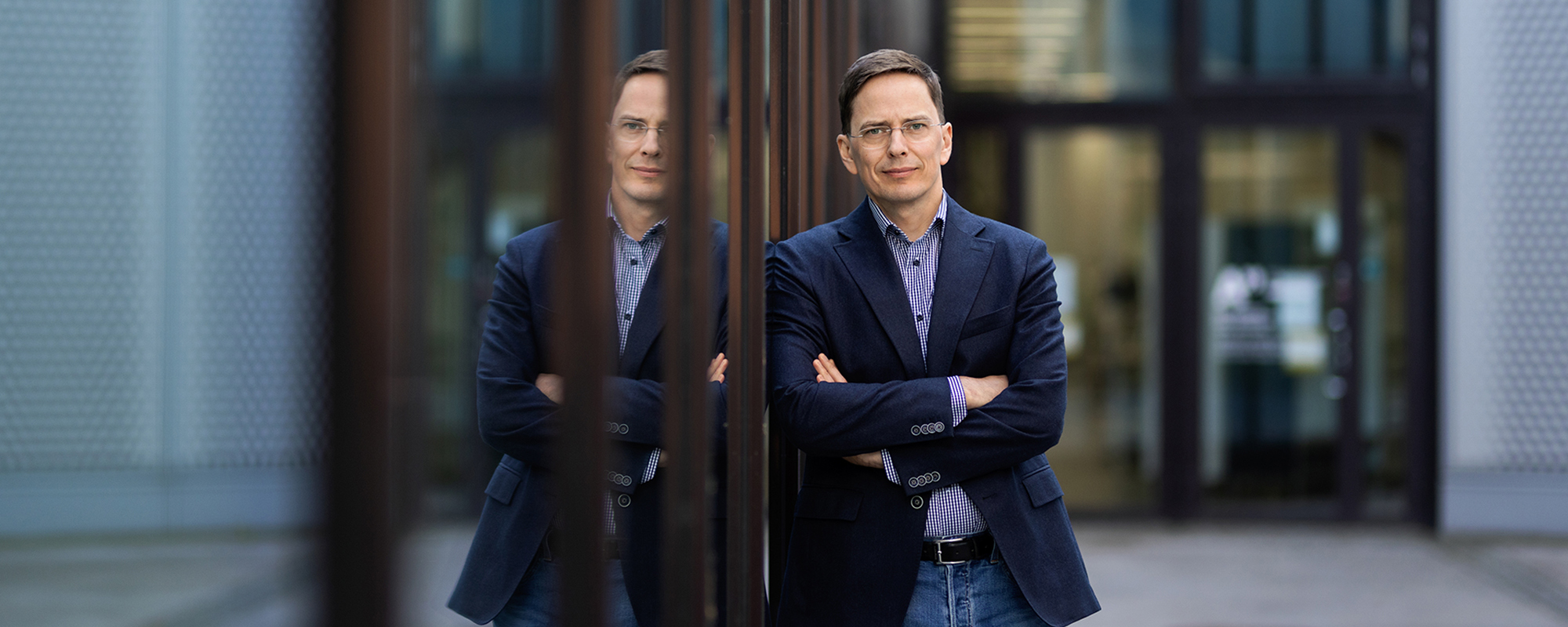
Fast-forward ten years, and Susanna Takkunen is now the CEO of Accenture Finland. As her personal learning journey continues, she now helps others adapt to technological changes.
Accenture operates in over 120 countries and has around 800,000 employees, with approximately 1,100 based in Finland.
Takkunen often uses her own journey as proof that professional change is possible, as long as there is motivation and willingness to question familiar patterns.
"We all need to reinvent ourselves and rethink how we do things in order to keep up.”
|
|
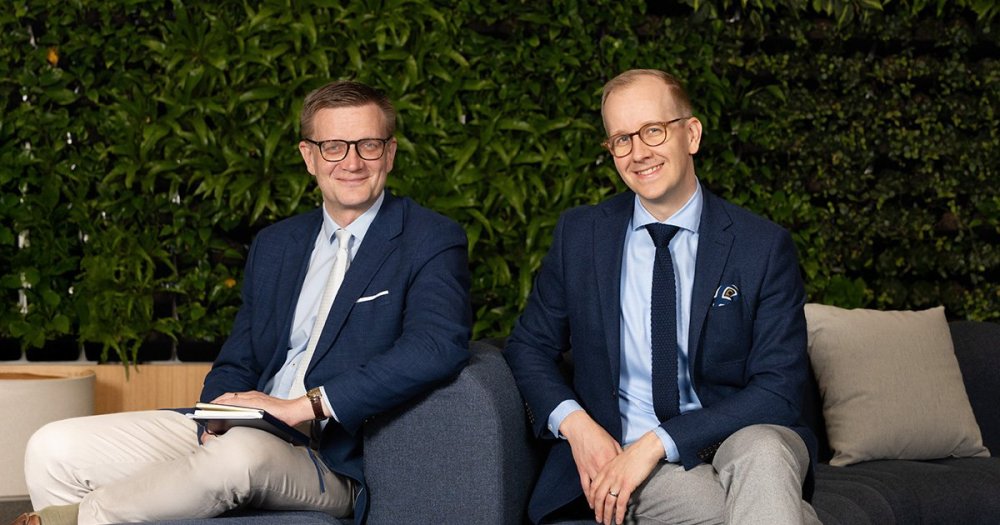
| Takkunen soon realized her existing skills wouldn’t be enough to keep up. Ten years later, she serves as the CEO of Accenture Finland. “I now help companies navigate the same kind of transformation I’ve gone through myself.” |
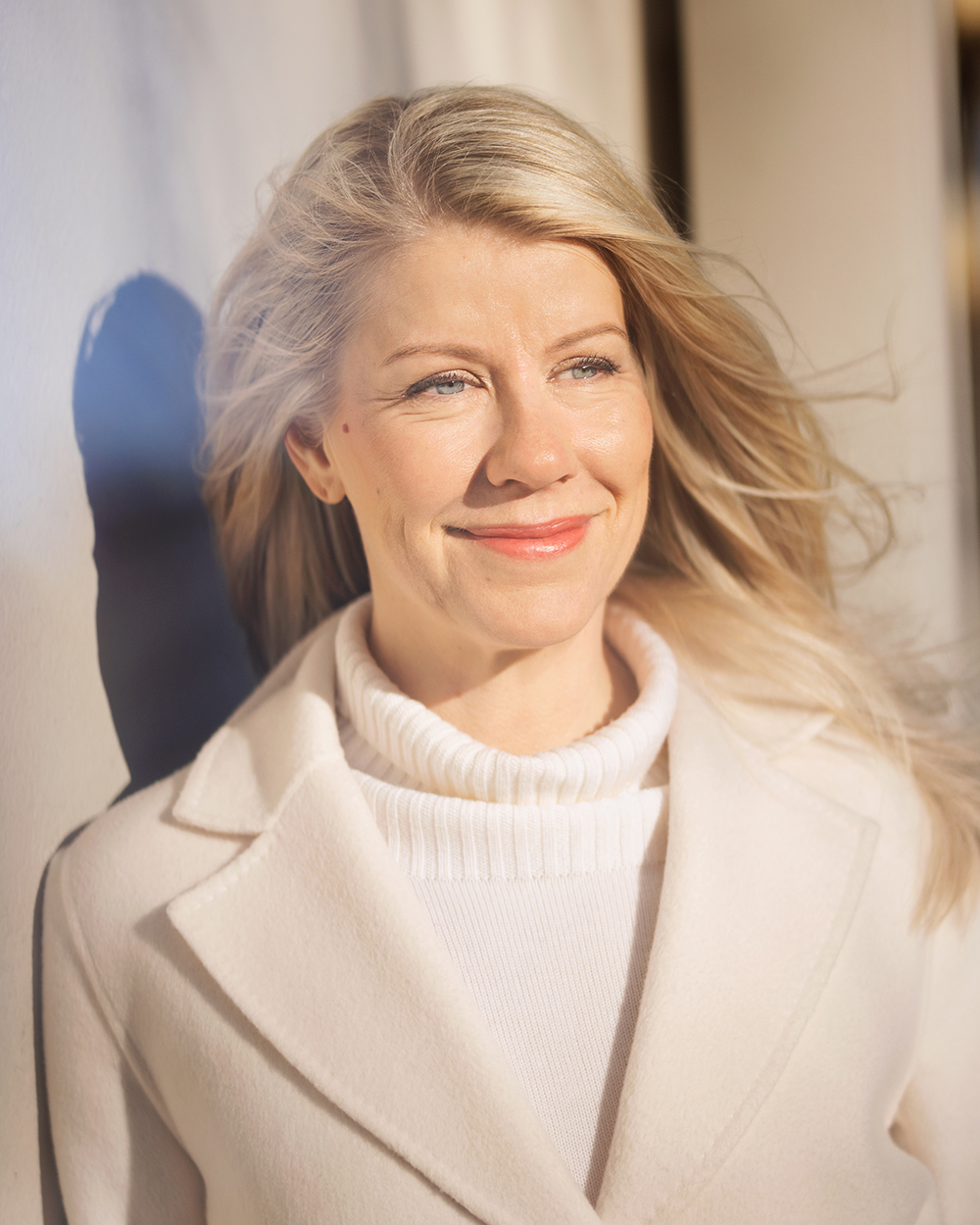
Takkunen’s professional transformation, spanning around 30 years, can be broken down into four stages:
The first stage was a traditional, linear career in marketing, gradually taking on more responsibility and laying the foundation for her professional life.
The second stage involved seeking new perspectives by joining a growth company focused on international expansion.
As the pace and scale of the digital transformation accelerated, Takkunen dived into independent study and research. She refers to this stage as "rebooting". It was a time to shed old habits and ways of thinking and replace them with fresh approaches – the perfect example of unlearning and relearning.
Takkunen conducted her research at Aalto EE, and in 2021, she completed her doctoral thesis as part of the Aalto DBA program. Her thesis, titled Understanding Organizational Orientations Towards Digitalization: A Sensemaking Approach, pinpointed the types of companies that make it in the rapidly digitalizing market.
The fourth stage of Takkunen’s career took her to Accenture’s offices in Helsinki. She has switched sectors and roles, transitioning from a marketing expert in the cosmetics industry to a change consultant and leader in IT.
“I now help companies navigate the same kind of transformation I’ve gone through myself.”
Susanna Takkunen assures that if she was able to make the transformation, others can too.
So, what’s the hardest part of change?
“In the end, the hardest parts are surprisingly simple,” she says.
Based on both her research and experience, there are a few key takeaways for digital transformation:
Leaders need to grasp what digitalization means for their organization, and what the organization wants to do based on that understanding.
It’s then up to leadership to make sure everyone in the organization is on exactly the same page about the goals and required changes.
"What happens in chaos? People stick to how things were done before because that’s the easy option."
In Takkunen’s experience, at least in Finland, leadership isn’t always clear on what it wants, and every department, division, and team have their own way of seeing things.
The blame for this falls on the leaders.
“If change isn’t led from the top but left to different parts of the organization, each will interpret it in their own way. This sends the organization into chaos. And what happens then? People stick to how things were done before because that’s the easy option.”
Takkunen’s ideas might seem simple, but turning them into action takes more than a quick AI course or digital seminar.
Right now, many leaders are probably wondering what AI means for their business. They’re trying to paint a clearer picture in a situation where so much is changing and shrouded in fog.
The digital transformation is unfolding amid a range of other pressing challenges: the energy transition, geopolitical uncertainties, sudden changes in trade policy, the rise of burnout, and expectations around employer branding, to name a few.
New information to absorb is never-ending.
There’s never a moment when you can declare: “Ready, I have it all figured out”. But with a curious mindset, it doesn’t have to be exhausting – it can be rewarding.
“Lifelong learning,” Takkunen sums up.
|
|
| For her dissertation, Takkunen, M.Sc. (Econ.), followed eight international companies operating within the consumer goods industry. |

For her doctoral thesis, Takkunen followed eight consumer product manufacturers, interviewing employees and joining workshops.
She noticed that although the companies believed their focus was on consumers, their actions and words revealed that, in practice, their target group was the retail sector.
Internally, people might have said consumers were their main focus. But in reality, the priority was making sure products suited the needs of retailers, so they arrived smoothly and looked appealing on store shelves.
“It means you’re not developing direct sales channels for consumers or trying to stay competitive for them, if in reality, you’re trying to meet the needs of retail.”
Takkunen’s research also included companies that had managed to disrupt their business models. They saw how consumer behavior was evolving and acted accordingly.
The main takeaways, once again: a clear change in direction and a willingness to learn.
"The CEOs of these companies made a bold statement: the company wouldn’t carry on as before – it would be something different from now on, with everyone on the same page of what that change meant.”
“If I’m totally honest, the situation hasn’t changed much in recent years. In many organizations, people still don’t really grasp what digitalization means for them.”
Digital transformation has been going on for years, decades even.
There’s been plenty of time.
But it hasn’t been used wisely.
“If I’m totally honest, the situation hasn’t changed much in recent years. In many organizations, people still don’t really grasp what digitalization means for them.”
And now, on top of all the other technological changes, we’re also facing and having to adopt generative AI.
Employees and leaders alike need to understand and adopt an ever-growing number of new technologies. Takkunen believes organizations need to define an AI strategy. And, as she’s pointed out, everyone in the organization has to understand what it means for them personally.
An AI strategy forces a company to think about what AI means for them, who will lead it, and what are the resources and objectives. Who owns it, what is the focus, who is responsible for the bigger picture or training? It’s also an opportunity to review AI-related regulations and ethical considerations.
We’ve reached a crossroads where competition is dividing companies: for some, AI is no longer just a nice-to-have but an essential prerequisite, built for instance into reward systems, while others are only starting to dip into the world of AI tools or booking a speaker for a training day.
|
|
| In many organizations, people still don’t really grasp what digitalization means for them, says Susanna Takkunen. |

China and the US are the global leaders in generative AI.
How is the rest of the world doing?
First, the good news:
When ChatGPT was launched, it quickly became the fastest-growing consumer app of all time, spreading even more rapidly than TikTok. It’s easy to try out for yourself – all you need is a smartphone or computer. It’s a bit like chatting with a friend, making it easy to get into AI.
“The ease of use made people go, wow – this is amazing, it’s a game-changer,” Takkunen describes.
And now for the bad news: at least in many Nordic companies, adopting AI is still in its early steps, Takkunen says.
She thinks it’s because people woke up too late to digital transformation, so the foundation for making the most of AI isn’t in place. There may be a lack of data or well-documented processes for AI to build on. And in some cases, there’s also a lack of expertise or culture that supports executing fast changes.
Investing in AI can get expensive, as it requires starting with the basics and pouring in a significant amount of money.
According to Takkunen, many companies are still in the testing phase.
“Very few companies have really stopped to consider what it all means for them and whether they’re ready to invest. What’s missing is the courage to go all in.”
This is also when Accenture steps in, offering AI consulting.
|
|

When Susanna Takkunen began using Copilot in the spring of 2025, it was mind-blowing. While working on a presentation, she was struck by how efficient it was. She thinks it saved her at least a full day’s worth of work, with AI helping to gather, organize, and summarize the material.
What’s her take on the concern that AI will make us lazy, as we no longer have to do it all ourselves?
Takkunen’s experience is the opposite. She sees AI as a sounding board that sparks new ideas and helps her use her time more effectively.
“It gives me much more time to think for myself, instead of getting caught up in gathering and producing material. My goodness how much quicker and more efficient the process is!”
AI isn’t just a helper or assistant, but also a sparring partner.
The AI revolution is coinciding with a wave of uncertainty. US-based Accenture is caught in the crossfire, navigating the turbulence of the US government and an unpredictable economy.
Amid all this, how can the CEO create a clear vision for employees?
Takkunen believes open communication is the key.
When the coast looks unclear, leadership needs to communicate a great deal and with clarity. It brings a sense of safety. It’s also important to admit when the answers aren’t all there: “Here’s the plan, and we’ll adjust the course quickly if needed”.
“It’s important to explain the situation in your own words. What are we working towards? What does it mean for all of us? Why are we making changes again? Any questions? How can we help?”
In times of uncertainty, you need to make sure people have the extra support they need.
"Offer guidance, coaching, someone to talk to, a shoulder to lean on, so no one has to face the situation alone.”
|
|
| Takkunen makes a conscious effort to avoid opening her laptop at home. “My next plan is not to touch my phone after a certain time in the evening, but we’ll see if I actually get there.” |

It’s clear that Susanna Takkunen’s work life is fast-paced and draining, so taking care of her well-being is crucial to handle it all.
She admits it’s another area of life that requires relearning and making changes.
Where she used to spend her evenings hunched over the laptop preparing presentations and catching up on work, it’s a different story these days.
"I really value my free time. I’ve realized that I can’t be perfect and excel at everything. I trust that I’m good enough and don’t beat myself up when things don’t go as planned. Otherwise, I’d spend every waking hour working – and even that wouldn’t be enough. You’ll never be done."
"I trust that I’m good enough and don’t beat myself up when things don’t go as planned."
Many top leaders like Takkunen engage in high-octane hobbies like tennis, triathlon, weightlifting, or CrossFit.
But Takkunen has come to see that even free time can turn into just another checklist to complete.
Instead, her well-being approach is refreshingly simple.
Every morning at 6:10, Takkunen hits play on a simple 11-minute yoga video on YouTube. The same routine each day, no fancy mat or trendy gear required.
Next up is a green smoothie with whatever’s on hand, like spinach, apple, ginger, and nuts. Sometimes it’s delicious, other times not so much.
“Any back pain stays at bay, I get a moment of calm, and my mind is reset for the day ahead. The smoothie gives me a vitamin boost with instant feel-good factor.”
These days, many of her friends stick to a similar routine. Minimal effort, maximum payoff.
“Very rarely do I work from home in the evenings.”
But the biggest change she’s made to her well-being routine involves technology.
She makes a conscious effort to avoid opening her laptop at home. If something urgent comes up, she’ll deal with it on her phone, but only if it’s absolutely vital.
“Very rarely do I work from home in the evenings.”
It’s a decision that requires conscious effort, motivation, and reprogramming the way she works.
“Many people think it’s impossible, but it really isn’t.”