"Investing in Education Is Investing in Economic Growth"
Education is an extremely profitable investment, both for individuals and for society, says Assistant Professor of Economics Mikko Silliman. Tuukka Koskinen and Laura Suikkanen share their views on the value of their MBA and EMBA education investments.
Sari Hawkins, 19.08.2026
|
Long Forms
Education is often viewed as an expense, but research shows that it is one of the most profitable investments a society can make. Investing in education is fiscally responsible policy. This is how Mikko Silliman's views on the importance of education could be summarized.
The Aalto University Assistant Professor, who specializes in education policy and labor economics, is reluctant to base his views on intuition alone. Instead, he believes that claims should be supported by research.
As an example, he highlights a study conducted in 2014 at Florida International University in the United States. The study examined students who had just barely gained admission to a public university and compared them with those who had just barely been rejected. In practice, the students were equally capable in terms of skill level, but a small difference in scores meant that some were denied admission. Differences in later earnings were interpreted as the causal effect of education.
“According to the study, higher education increased earnings by an average of about 10 percent for each year of study. This finding is exceptionally robust because it has been replicated across different countries and research settings,” Silliman says.
Education did not merely reflect ability, it also generated real added value.
“An estimated 60 to 70 percent of long-term economic growth can be explained by education and skills”, the assistant professor says.
In his view, long-term economic growth is closely linked to education policy: if economic growth matters to you, the most important thing is to invest in people. Regardless of the industry, there is a strong demand for skills.
Education builds economic growth
Education is also the foundation of future economic sustainability.
“When you think about previous technological transformations, such as email, the telephone, or factories, either people or their jobs have changed. They are not necessarily the same jobs as before. Job requirements evolve, but jobs themselves have not disappeared. Of course, there is always friction during transitions, and some people lose their jobs. In such cases, they may need to change direction in the labor market, and that requires retraining.”
History shows, however, that technology has not eliminated human work. Instead, it has changed the nature of work.
In addition to helping people invent and develop new technologies, education has also helped people use technology effectively in their work.
Technological change has favored educated workers. Technology complements high-level skills while replacing more routine and easily automated tasks. As technology advances, demand for educated workers grows, often faster than their supply.
Silliman notes that only about one percent of Finns had a university degree 100 years ago, whereas today the share of higher-education graduates among younger generations is approaching 40 percent. Yet this has not reduced the value of education or eliminated jobs.
“On average, people probably work more hours today in most parts of the world than they did 100 years ago. Work has not disappeared, its requirements have changed.”
 |
|
|
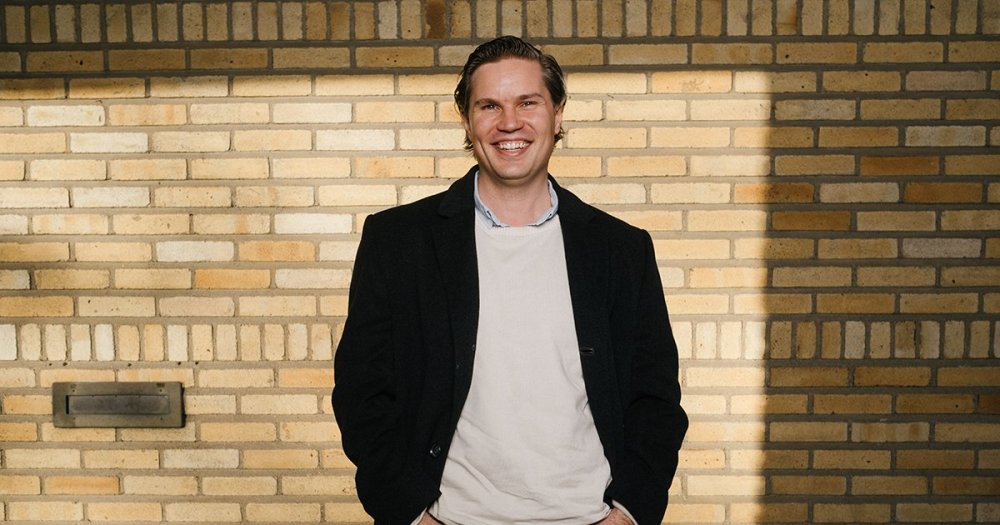
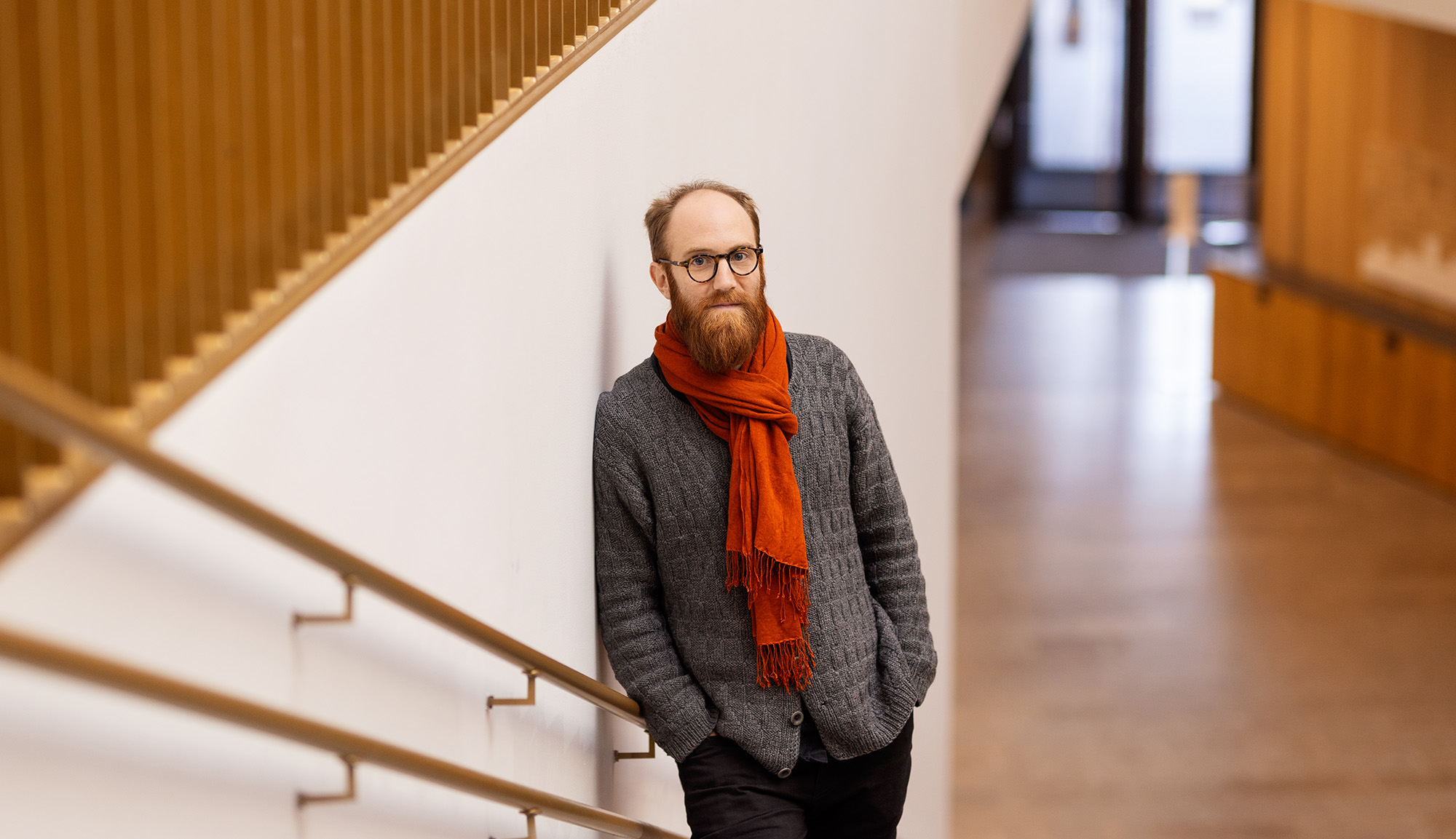
Mikko Silliman was born and raised in Boston, United States. He began learning Finnish as a child from his mother.
|
|
Human skills will become more important in the age of AI
According to Silliman, artificial intelligence will not necessarily lead to the disappearance of jobs.
However, he argues that the nature of labor demand has changed in ways that traditional academic education may not be fully equipped to address. In the past, emphasis was placed on cognitive basics, memorization of facts, and mathematics. Now the labor market returns on these skills have weakened because machines can perform an increasing share of this work.
“Social skills, interaction, interpretation, and communication abilities are becoming increasingly important,” he says, adding that the development of these skills begins in early childhood education.
Artificial intelligence has made cognitive work cheaper and easier, shifting human value toward interpretation, collaboration, and understanding the bigger picture.
“It matters how well individuals can analyze issues and work in teams. More and more work is done specifically in teams, and expert work is about being able to communicate, interpret information, and make decisions based on those interpretations.”
Investing in skills, not just degrees
It is also widely acknowledged that more highly educated people are needed. Silliman agrees with this view.
“Every new place in higher education still appears to be a profitable investment for society. However, it is important to remember that we are still far from the point where everyone would attend college or university. At the same time, vocational education provides a valuable pathway for those who do not continue to higher education after secondary school,” the researcher says.
The Return on Investment That Cannot Be Measured in Money Alone
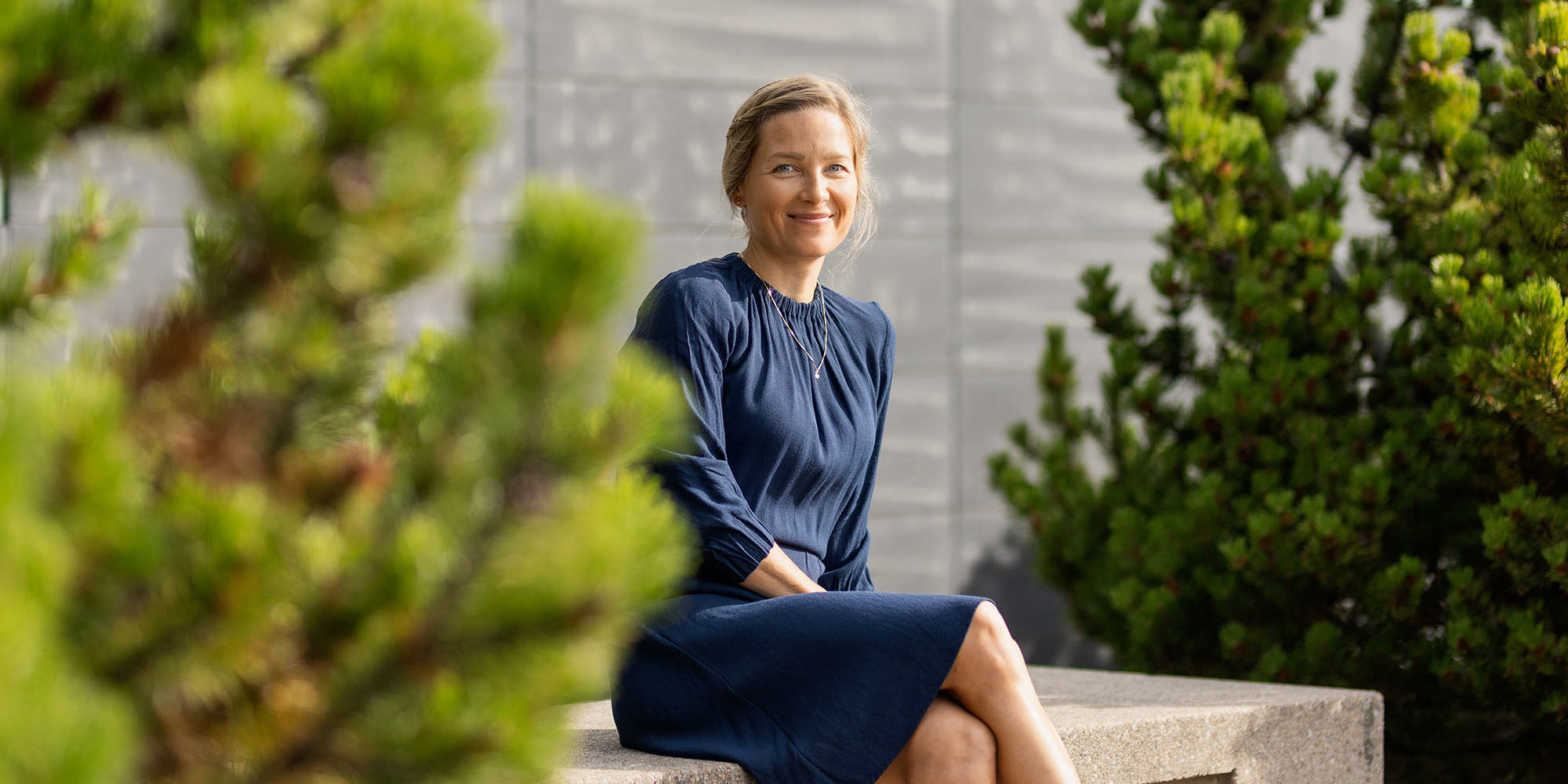
When Laura Suikkanen began her MBA studies, she was prepared to pay for the program entirely out of her own pocket. Two years later, she wonders whether the value of the new skills, networks, and career opportunities can even be measured in monetary terms.
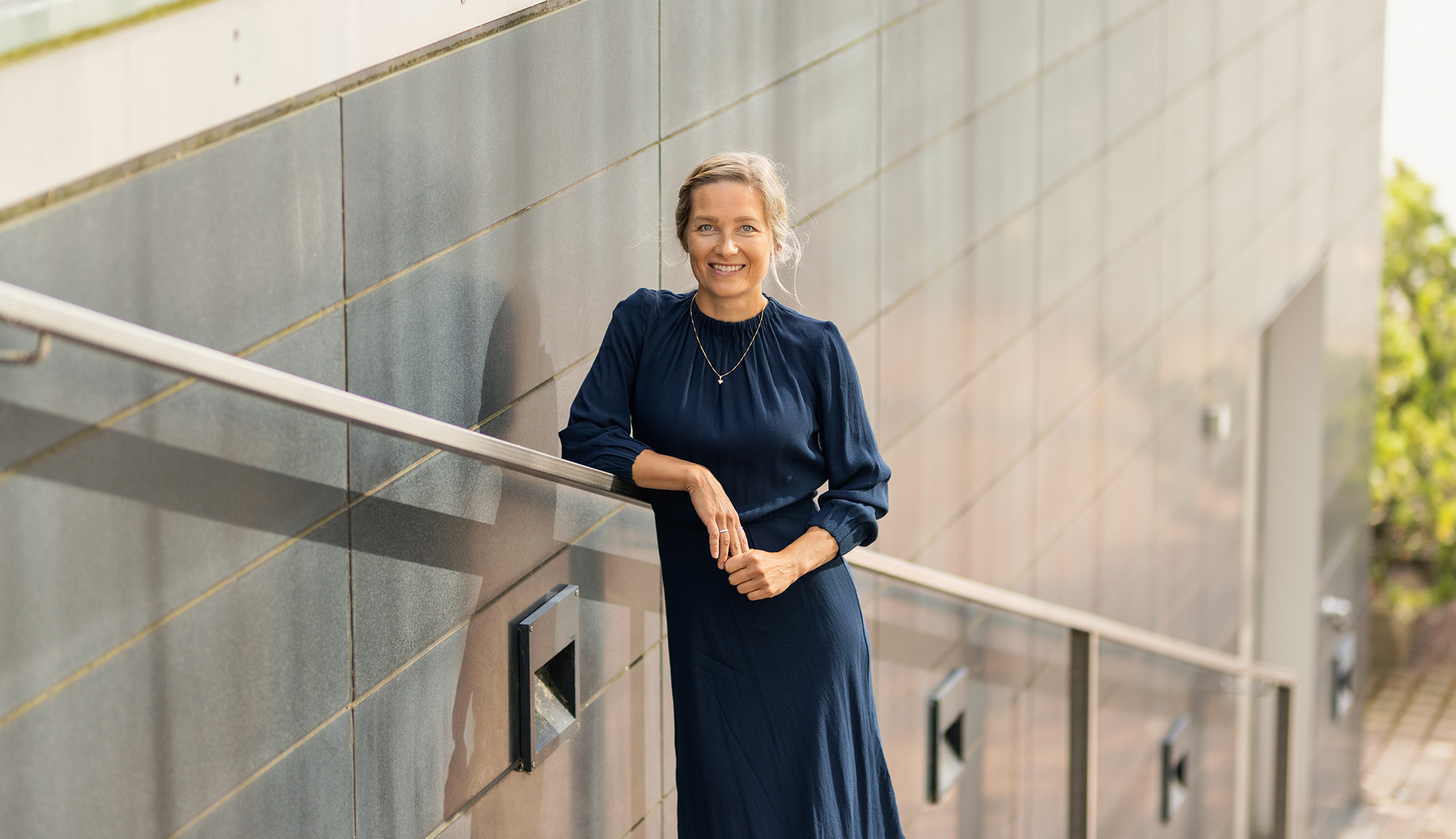
“There is never a perfect time for continuing education if you think about it too much,” says Laura Suikkanen, who holds a Master of Science degree in Chemical Engineering and works as Circularity Development Manager at KONE. She graduated this spring from Aalto’s MBA program, two years after beginning her studies.
During that time, Suikkanen also changed jobs and became a mother for the second time.
“I had been thinking about further education for several years. A doctoral degree crossed my mind as well, but in the end I concluded that, as an engineer who had been working in commercial roles, further developing my business expertise would be a natural next step,” Suikkanen reflects.
Many of her acquaintances questioned the value of further education for someone with a family and a career in a large corporation, and Suikkanen herself was not initially fully convinced of its benefits. Despite the warnings, she decided to trust her own judgment and believed that the education would provide significant long-term value.
“We lived in Sweden for five years and moved back to Finland during the pandemic. After that, I started exploring MBA programs.”
Laura Suikkanen had previously studied in corporate programs at IMD, but returning abroad for studies no longer appealed to her.
“I had already graduated from Aalto, so I knew I would receive high-quality education here,” she says.
However, the high cost of the program gave her pause.
“My goal was to secure external funding for half of the program cost. My employer at the time agreed to pay ten percent of the tuition, and I also received a scholarship from the Saastamoinen Foundation,” Suikkanen explains.
Even before that, she had already thought carefully about the value of the education and had decided that if no funding came through, she would pay for it entirely herself.
“I even created a payment plan in Excel in case I ended up paying the whole amount myself in four installments,” Suikkanen recalls.
Once the studies began, the size of the investment immediately faded from her mind.
“From the very first module, I simply enjoyed studying, learning new things, and being surrounded by an international group of students,” Suikkanen remembers.
Although the studies required work both before and after each module, the in-person sessions became the highlight of every month.
“Whether you work in a smaller company or a large corporation, this program provides an exceptionally comprehensive overview of everything that must be considered in business.”
Suikkanen was particularly impressed by how Aalto’s MBA program incorporates sustainability, startup thinking, and scale-up thinking, making it an excellent fit for her.
“Even though I have worked in large organizations, they also look for an entrepreneurial mindset. You have to solve problems yourself.”
“The workplace changes so quickly that you cannot assume everything will be handed to you. You constantly need to investigate things on your own, think about new ways of operating, and evaluate how processes could be improved.”
Money makes the difference
When Laura Suikkanen graduated from Aalto with a master’s degree in engineering at the end of 2014, she strongly believed that all problems could be solved through technology.
“In reality, however, things are much more complicated. Even if we had access to all the technology in the world, what ultimately matters is how the world is run, how financial flows move, and where they originate. Those are the factors that essentially determine the direction we take.”
That is exactly why she decided to pursue an MBA.
“I wanted to better understand how sustainability can be turned into real business and how we might change the world so that we do not simply repeat the same linear business model. I was interested in whether we could bring about genuine systemic change. I am not claiming that I could solve it myself, but I wanted to find more answers.”
During the MBA studies, the modules on sustainability, finance, and economics made a particularly strong impression on her.
Although Suikkanen had worked in sustainability for a long time, the sustainability module taught by Professor Minna Halme changed her way of thinking.
“It opened up new perspectives on what sustainability actually means and how it can be examined. The program both broadened and deepened my thinking.”
For Suikkanen, who has an engineering background, the finance courses and economics studies were especially rewarding.
“They helped me see the bigger picture and understand the global economic environment and how it affects my own operating environment and company. That was extremely valuable, and I try to apply that mindset in my professional life as well.”
Among the highlights were Professor Vesa Puttonen’s course on responsible investing and the economics module taught by Professor Khaled Soufani of the University of Cambridge, an expert in the circular economy.
“His teaching was truly fascinating. In particular, the discussion about whether economic growth can occur without the continuous use of new natural resources stayed with me. How can we make more effective use of the materials and resources that already exist? These are exactly the kinds of questions that matter, and I personally see circular economy models as the only real solution.”
Suikkanen feels that every module brought new perspectives. In addition, she believes that studies like these provide a certain level of credibility in professional environments.
“As a young and petite woman, additional education contributes to confidence and credibility. But above all, it gives you new ways to think and look at the world.”
What is the final value of the investment?
Laura Suikkanen spent a total of two years completing her MBA studies. Midway through the program, she changed jobs. It is impossible to say whether she obtained her new position because she was pursuing an MBA.
“I’m sure it helped because business expertise is valued in my current role,” she says.
“You could probably calculate the payback period for studies like this. But if you think about the network built during the program, what is that worth? I now have 36 new people in my network whom I can turn to when needed.”
A Leader's Best Investment May Be Education
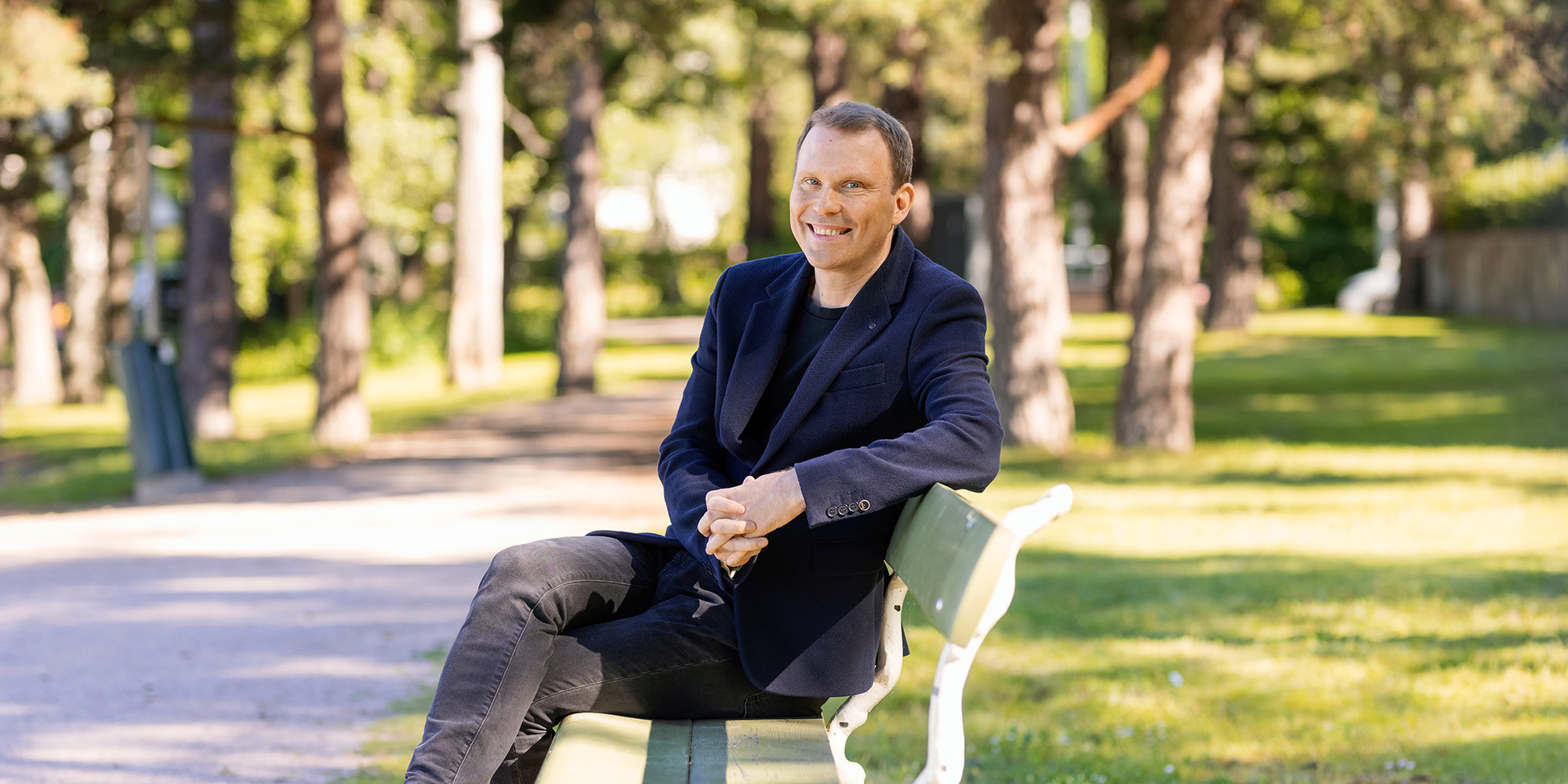
Tuukka Koskinen, COO of Supervoima Solutions, believes that an EMBA is a valuable investment, especially for experienced professionals, because it sharpens thinking, strengthens leadership, and builds networks, and can deliver significant personal and financial benefits.
What can continuing education still offer someone who is already a seasoned technology expert, entrepreneur, and board professional? Has the value of formal education not already proven itself many times over? At this stage of a career, is further education still an investment?
After listening to Tuukka Koskinen, a founding shareholder of Supervoima, the question hardly seems worth asking. He has worked as a software engineer, CEO, and entrepreneur, helped build and sell a company as a shareholder, and founded a new growth company. For him, continuing education is not merely an expense or a degree, but a long-term investment in personal development.
Koskinen himself graduated from the Aalto Executive MBA program in December 2025, years after he had already served as a CEO and helped sell Zervant, a company of which he was one of three founders, to Denmark.
"I think it should be viewed this way: people have long careers. First, they study something and then continue learning at work. Through work, you discover what you know and what you do not know. Many people also take smaller courses at different stages of their careers. Over 15 to 20 years, a great deal of knowledge accumulates on top of one’s core expertise. You end up knowing a lot about many things, but that knowledge can be scattered. In addition, EMBA students do a great deal of reading, which further increases their knowledge,” Koskinen begins.
In his view, the greatest value of an EMBA lies in helping people organize all that knowledge.
“It helps you understand what you truly know and what you do not know. When you can structure things, it becomes easier to apply them in your work. That is why the cost of the education can ultimately be small compared to the value it provides. Today, new information can be learned in many ways, but more importantly, professors help you build frameworks and ways of thinking.”
Tuukka Koskinen is now 51 years old. He says openly that the best time for him to pursue an EMBA would have been more than ten years ago.
“I would have avoided many stressful years if I had had access to all the tools the program provides back then.”
According to Koskinen, this points to a paradox: education takes up valuable time, yet it may be especially useful during the busiest stages of working life.
“Although it may seem contradictory, that is precisely when taking the time to stop and reflect can help the most. It can save years that might otherwise be spent searching for direction.”
Education is an investment in networks
Subconsciously, Tuukka Koskinen made a plan for himself in his twenties: one day, he would become a CEO, an entrepreneur, and complete an Executive MBA. Over the years, he and his family lived abroad for several years, including in France, Belgium, and England, which delayed the start of his studies. He did not want to complete executive-level education remotely. For him, the value of the program was not only in the content, but also in the network.
“Much of the learning in an EMBA takes place together with other participants. People with extensive experience share what they have learned with one another. This also develops your ability to synthesize information and communicate it clearly. Trust develops within the group, and people continue helping each other even after the program ends,” Koskinen explains.
The evening before this interview, he met with a small group from his EMBA cohort. The “best cohort of all time” also has a WhatsApp group, and members meet several times a year. Fellow students have become both a professional sounding board and a support network.
“In the age of artificial intelligence, interpersonal skills are becoming increasingly important. Technical competence alone is not enough. Working with people and creativity are more important than ever.”
An investment that has paid for itself
Tuukka Koskinen paid for his EMBA studies out of his own pocket. He admits that after the sale of his company, the decision to participate was an easy one.
“It is clear that this is not necessarily as easy for everyone, because the education is expensive,” he acknowledges.
“Everyone’s situation is different. But from my own perspective, I can say that it was a worthwhile investment.”
When he started the program, Koskinen had already transitioned into board work. During his studies, the network also proved valuable in practice. When Alisa Bank was looking for new board members to replace a departing member, Koskinen became a candidate partly through the recommendation of a fellow member of his cohort.