










At the onset of the GenAI transformation, Nokia decided to fast-track the adoption of large language models (LLMs) in software development. For support, Nokia partnered with Aalto EE to create a custom-built training program.
“In January 2023, we wanted to quickly develop a high-quality training program tailored to our software development environment. Aalto EE took on the challenge and did an outstanding job,” explains Principal Transformation Manager Minna Koivu.
Vesa Kohtamäki, Head of Technology Center Espoo, highlights how beneficial it was to gain an outside perspective right as generative AI was going mainstream.
“We wanted a broader perspective, for example, of what all large language models could help us do in software development, what kinds of tools are being developed, and what security and privacy issues need to be considered,” he describes.
“We have a lot of specialists who are very interested in AI and its development. It was highly beneficial to have external experts exchanging ideas with them,” Kohtamäki underlines.
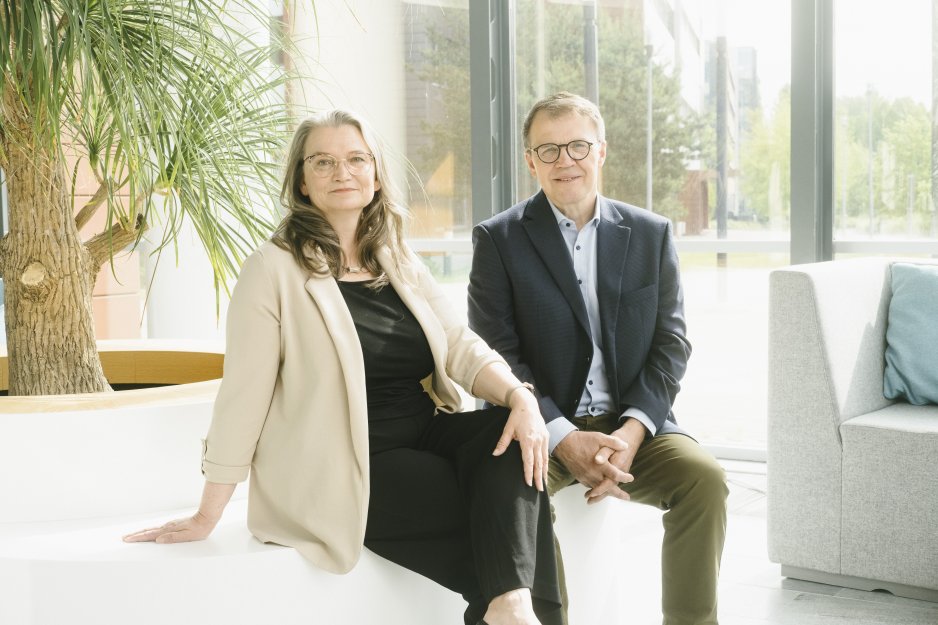
The collaboration with Aalto EE was launched with a pilot training involving 90 experts from across Nokia.
Koivu points out that when specialists are trained in a field that they find extremely interesting – especially one that’s evolving very fast – it puts a unique kind of pressure on the instructors.
“Whenever anything exciting happened on the generative AI front, participants jumped at the chance to share the news. Aalto EE’s instructors deserve top marks for how they responded: they were just as enthusiastic and incorporated the latest developments into the exercises and lectures straight away,” she says.
“The instructors had a fantastic ability to adapt. The content kept evolving throughout, and we always had the latest insights, thanks to the active input of both the instructors and the participants,” Kohtamäki concurs.
The pilot’s success prompted more training
The interactive pilot training included a wealth of practical exercises where AI was applied across all phases of software development. Every Friday, Nokia hosted a shared Teams session where participants completed hands-on exercises together with Aalto EE’s instructors.
“Those sessions were very popular. They expanded our view of what AI can do in software development beyond just coding, and how to for example draft requirements, produce customer documentation, or design test cases,” Koivu mentions.
Kohtamäki shares that the pilot training received excellent feedback across the board. The trainers’ expertise was praised in particular.
“That encouraged us to swiftly roll out two more training rounds. In total, about 90 Nokia employees participated in them,” he notes.
Koivu and Kohtamäki emphasize that Aalto EE’s training program met all its objectives and delivered concrete benefits to the entire organization:
“We had many ideas about how to make the most of AI in software development when we started planning the program – but the training sparked a whole wave of new ideas. At the same time, we developed an even better understanding of security issues, risks, and challenges,” says Koivu.
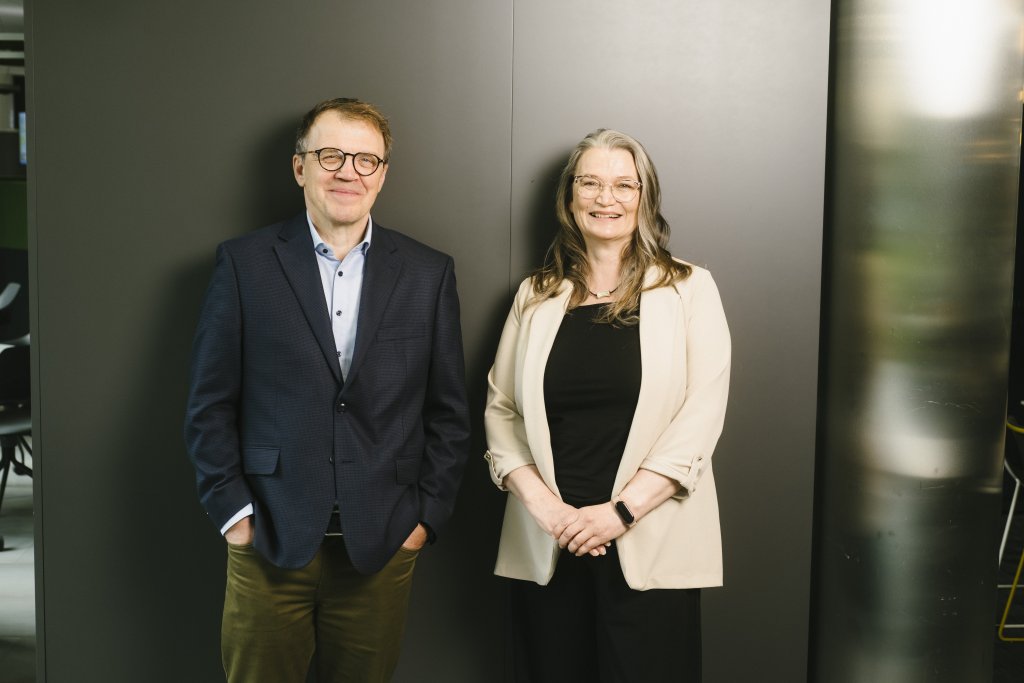
Smooth collaboration with Aalto EE
Koivu and Kohtamäki point out that lifewide learning and knowledge-sharing are deeply embedded in Nokia’s way of working. They describe planning the training program with Aalto EE as a very positive experience.
“Our collaboration was open and smooth. Aalto EE always strived to find the best solutions for us. Their approach was fantastic from start to finish,” Kohtamäki says.
“You could really tell that providing top-quality training for an international group of participants is second nature to Aalto EE. That’s important for us, since more than a quarter of our experts originally come from outside Finland,” he adds.
Koivu highlights that designing such a timely LLM training would have been challenging without external input.
“It was a major advantage that we had plenty of room to shape the content as the training progressed. The content was also adjusted between different training groups. Both Aalto EE and we were very open to new ideas, and our collaboration resulted in a training program that came together just right,” Koivu reflects.